
Balancing school while being pregnant can be challenging! These schools for pregnant teens make getting an education more accessible.
Continue reading
Balancing school while being pregnant can be challenging! These schools for pregnant teens make getting an education more accessible.
Continue reading
Pregnancy can be expensive, and you may be wondering, “Does insurance cover pregnancy?”. Learn the answer to this financial question and more today.
Continue reading

As a minor, you may be wondering “Can I go to the OB-GYN without my parents?” Read on to find out the answer and more about healthcare privacy.
Continue reading
It’s hard to find good financial assistance for pregnant women. Here is our complete guide to financial help in pregnancy and how to get the support you need.
Continue reading


My name is Janelle Basham, and I serve as the Executive Director of BraveLove, a nonprofit dedicated to changing the perception of adoption by honoring birth mothers, sharing honest stories, and providing educational resources for professionals and the public.
My connection to this work is both professional and deeply personal. I became pregnant at 16 and made an adoption plan for my daughter, who is now an adult. That experience has shaped the course of my life and fuels my commitment to supporting women and families navigating the adoption journey.
In my role at BraveLove, I help guide the organization’s strategy, partnerships, and programs focused on storytelling, education, and community. Our work centers on creating spaces where adoption can be discussed with honesty and compassion—highlighting the voices and experiences of birth mothers while equipping professionals and communities with resources that foster understanding and support.
My path into nonprofit leadership and adoption work really began with my own story. When I was 16, I experienced an unplanned pregnancy and moved into a maternity home while trying to figure out what my future—and my daughter’s future—might look like. During that time, there were people—my social worker, counselor, and volunteers—who showed up for me with compassion, honesty, and encouragement. They gave me space to explore all of my options and to grieve the hard realities I knew were ahead.
They didn’t make the decision for me, but they created space for me to learn, ask questions, and ultimately make a plan that I believed was best for my daughter. Watching the way they cared for women during such a vulnerable season shaped my understanding of what thoughtful leadership in this space could and should look like.
The care and dignity I experienced during that season left a lasting imprint on my life and sparked a desire to support those coming behind me in their own adoption journeys.
Adoption is deeply complex, and the stigma surrounding it is often rooted in misunderstandings about the people involved—birth parents, adoptees, and adoptive families alike.
One of the most significant stigmas I see is the sense of shame that can surround adoption and the individuals connected to it. For birth parents, that shame may come from assumptions about their decision, situations, or feelings that led them to an adoption plan. For adoptees and adoptive families, it can surface through misunderstandings about identity, belonging, or family structure. Much of this stems from limited knowledge or the way adoption is sometimes discussed in communities.
Language matters. When we use thoughtful and respectful adoption language, it honors everyone involved in the story. Words have the power either to reinforce stigma or to create greater understanding and compassion.
Organizations have an important opportunity to lead in this area by being intentional about how adoption is discussed and by creating spaces where all voices within the adoption community can be heard. When we honor the experiences of everyone involved, we help ensure that the child at the center of the story can grow up feeling secure in their identity and confident that they are deeply loved.
One of the most impactful outreach tactics BraveLove has implemented is creating a platform for honest storytelling from those whose lives have been touched by adoption.
When people are given space to share their experiences openly—whether birth parents, adoptees, adoptive parents, or others impacted—it helps remove the shame and misunderstandings that often surround adoption. It also creates room to acknowledge both the meaningful and the difficult parts of the journey so the adoption community can continue to learn and grow.
Through stories shared in videos, writing, and conversations, we’ve seen perceptions begin to shift. Instead of viewing adoption through stereotypes or simplified narratives, people start to see the real individuals and families behind each story and gain a deeper understanding of the love, complexity, and lifelong impact involved.
Storytelling creates a bridge that moves communities from misunderstanding toward empathy and respect.
When training staff and volunteers, we need to acknowledge that adoption is complex and deeply personal for everyone involved—birth parents, adoptees, and adoptive families. Because of this, the way adoption is discussed matters.
A key focus is using respectful adoption language that avoids phrases that may unintentionally reinforce shame or stereotypes. The words we choose shape how people understand adoption and can either contribute to misunderstanding or encourage greater compassion and respect.
It’s important to spend time helping people understand modern adoption practices, including open adoption. Many people still carry outdated assumptions about what adoption looks like today. Providing clear information about openness and communication helps reduce misinformation and gives people a more accurate understanding of how relationships can exist between birth families and adoptive families.
We always emphasize the importance of listening to lived experiences. Hearing directly from birth parents, adoptees, and adoptive families helps people better understand the emotional depth and lifelong impact of adoption.Ultimately, we encourage conversations about adoption that recognize the dignity of everyone involved and support a child’s ability to grow up feeling secure in their identity and story.
When sharing adoption stories, we begin with consent and collaboration. Individuals choose whether they want to share their story, how much they feel comfortable sharing, and how their experience will be represented. That level of transparency and partnership is essential.
We also focus on strength-based storytelling. Adoption stories are often complex and deeply personal, so our goal is to present them with honesty while highlighting resilience, love, and the thoughtful decisions people make along the way. We want stories to honor the dignity of everyone involved—birth parents, adoptees, and adoptive families—rather than oversimplify or sensationalize the experience.
Protecting privacy is also a key priority. We are careful about what details are shared and always allow individuals to review their story before it is published. In some cases, names or identifying details are changed or omitted to ensure that people feel safe and respected.
Ultimately, our goal is to share stories that educate and inspire while honoring the people behind them and protecting the relationships that continue long after the story is told.
Our most meaningful impact has come through partnerships with organizations that already walk closely with individuals and families during important seasons of life—particularly adoption agencies, healthcare providers, pregnancy resource centers, and schools or universities.
These spaces often support individuals navigating complex decisions and help shape how adoption is understood within the broader community. When professionals have access to accurate information about adoption, it can reduce stigma and foster supportive conversations. Many of these partners utilize our free resources and videos to help guide those conversations and provide reliable information about modern adoption.
Partnerships like these allow us to meet people where questions and misunderstandings already exist and replace stigma with more informed conversations about adoption.
When birth parents and adoptive families encounter stigma or difficult questions, it helps to have simple, respectful responses ready—because those questions will come, often while standing in line at the grocery store or at a school function. Many questions come from curiosity but may carry assumptions. And, as we all know, these conversations often happen when little ears are listening, making the words we choose even more important.
Birth parents may reframe a question by saying, “I didn’t give my child up—I made an adoption plan for my child.” Adoptive families can acknowledge the full story by sharing limited information, such as, “Our child has a birth family who loves them, and we are so thankful for that connection.”
It’s also important to know who to share with and how much of the story to share. Over the years, I’ve learned to assess when it’s helpful to educate someone and when it’s better to hold certain parts of my story close—especially if the person may not have the best intentions. At times, it’s also okay not to respond at all. Having a simple phrase ready—such as “That’s a personal part of our story”—can respectfully close the conversation.
Being confident in your response also sets a tone of respect. Often the goal isn’t to debate, but to model thoughtful language and set healthy boundaries. Over time, these everyday conversations can help shift how adoption is understood.
One initiative I believe supporters should rally around is expanding adoption education and awareness in schools and community spaces. Many of the stigmas surrounding adoption exist because people have not been given accurate information or heard honest experiences from those whose lives have been impacted by adoption.
When young people grow up hearing honest conversations about adoption, it helps create communities where children connected to adoption feel less misunderstood and more supported. It also creates space to acknowledge that those experiences can include both love and loss, joy and grief. Families are formed in many ways—including through foster care, domestic private, international, stepparent, and kinship adoptions—and each child’s experience is unique.
By equipping educators, community leaders, and youth programs with resources and voices from the adoption community, we can help shape a generation that approaches adoption with greater care and understanding. Over time, this kind of community investment helps children connected to adoption feel respected while also helping their peers develop greater awareness and empathy when talking about adoption.
One thing I would add is that adoption conversations are evolving, and that’s a good thing. As more people feel comfortable sharing their experiences—whether they are birth parents, adoptees, or adoptive families—we have the opportunity to move toward greater honesty and understanding.Adoption is complex, and every story is unique. Some experiences include joy and connection, while others include grief or unanswered questions. Making space for the full range of experiences allows us to support children and families with greater care and compassion.
My hope is that we continue creating environments where people feel safe to share their stories, ask questions, and learn from one another. When we approach adoption with humility, respect, and a willingness to listen, we help build communities where every person connected to adoption can feel seen and valued.

Finding out you’re pregnant brings a mix of emotions — excitement, fear, and uncertainty. But when a surge of fear causes your heart to race and your breathing to tighten, it may be a panic attack. These episodes can feel especially intense for pregnant women, because anxiety symptoms and physical changes happen at the same time. Panic attacks during pregnancy are part of a broader group of mental health disorders that can affect women during this time.
Panic attacks are sudden, overwhelming periods of fear that trigger a strong fight-or-flight response. Many women experience panic attacks during pregnancy, fearing something is wrong with their pregnancy or baby, even when they are physically safe. Antenatal anxiety is a common experience and can include panic attacks as well as other anxiety symptoms.
Panic attacks can be a sign of a serious anxiety disorder, which deserves attention and care.
Here are symptoms that many women report during pregnancy panic episodes:
Chest pain, especially if it is severe, radiating, or accompanied by difficulty breathing or dizziness, should be evaluated by a healthcare provider to rule out other medical emergencies.
These symptoms can feel similar to medical emergencies. Always reach out to your health care provider if you’re unsure.
Hormonal changes, the demands of early pregnancy, and physical symptoms like nausea or dizziness can amplify panic symptoms. A faster heart rate or shortness of breath — common in pregnancy — can accidentally trigger panic when they feel unfamiliar. These hormonal and psychological stressors can also contribute to anxiety disorders during pregnancy, especially for those with pre-existing mental health conditions or heightened maternal concerns.
Your brain is also working harder to protect your growing baby, which can intensify concerns about safety, readiness, and changing identity. None of this means you are weak — it simply means your maternal mental health deserves care and support.
On top of the physical changes, big life questions — Am I ready? What will parenting look like? What if I can’t do this? — can fuel fear and uncertainty.
All of this means panic attacks aren’t a sign of weakness. They are a very human reaction to a major life transition.
Feeling anxious during pregnancy is extremely common — your life is changing in major ways. But when worry begins to take over your days or interferes with sleep, eating, or the ability to enjoy life, it could be a clinical anxiety disorder, not just normal stress. Antenatal anxiety disorders include a range of anxiety conditions that can arise during pregnancy.
Many pregnant women experience new worries during pregnancy, but an anxiety disorder includes more persistent and intense symptoms, such as:
Some women may experience only mild symptoms, while others have more severe anxiety.
These symptoms can sometimes affect pregnancy outcomes if left untreated, but with early care, most women go on to have healthy pregnancies and healthy babies.
Certain factors can increase the likelihood of developing an anxiety disorder during pregnancy, including:
Having risk factors doesn’t mean anxiety will always develop — it simply means your emotions deserve support throughout pregnancy and into the postpartum period.
When anxiety is understood and managed, both you and your baby benefit. Protecting maternal mental health supports healthy development and strengthens your overall well-being.
You don’t have to wait until things feel “bad enough” to ask for help. Reaching out early is a sign of strength. Mental health awareness for pregnant women and their support networks is crucial for recognizing symptoms early and ensuring timely support.
Panic attacks can feel like fear has suddenly taken over your whole body. Even though they are extremely uncomfortable, they are caused by your body reacting to perceived danger, not real danger. Unexpected panic attacks are a hallmark of panic disorder and can occur without any obvious trigger. During pregnancy, changes in hormones, sleep, and physical sensations can make this response even more sensitive.
There are many psychological factors and life stressors that can spark pregnancy panic manifestations, including:
Normal sensations — like shortness of breath, dizziness, or a fluttering heartbeat — can feel like something is wrong with your baby or your body.
Concerns about bills, food, childcare, or medical costs can intensify fear when you’re already in a major life transition.
Questions like “Am I ready to be a parent?” or “What if I can’t do this?” may activate panic when your future feels uncertain.
Overcrowded places, strong smells, or loud environments can heighten panic symptoms during pregnancy when your body is already more alert than usual.
Although panic attacks are often linked to anxiety disorders, they can happen to anyone — even if you’ve never experienced them before.
Experiencing one or two panic attacks during pregnancy can be scary — but that alone doesn’t mean you have panic disorder. Panic disorder is a clinical condition where panic attacks are recurrent and a person becomes afraid of experiencing another one, which can change how they live day-to-day. Background panic disorder refers to the underlying condition that can significantly impact both maternal and fetal health.
Healthcare providers sometimes use a tool called the Panic Disorder Severity Scale (PDSS) to understand how intense and disruptive your panic symptoms are. It’s not a test you “pass” or “fail” — it simply helps your clinician see the full picture so you can get the right support.
The PDSS looks at several areas of your experience, including:
Each area is rated on a scale from 0 to 4, where:
Your total score helps determine whether you’re experiencing:
During pregnancy, the PDSS can be especially useful because it helps your provider track how symptoms change over time — and ensures you get care that protects both your mental health and your pregnancy health.
If you’re ever worried about the severity of your symptoms, you never have to guess alone. A clinician can walk through the scale with you and help create a plan that brings you back to safety and calm.
You may be dealing with panic disorder during pregnancy if you:
In panic disorder, fear of the panic symptoms becomes part of the disorder itself — making it harder to break the cycle without help. Pregnancy onset panic disorder refers to cases where panic disorder first appears during pregnancy, often due to unique psychological and social stressors.
Some women have a pre existing panic disorder before pregnancy, and for others, pregnancy panic disorder can develop for the first time. Common reasons symptoms may increase:
Research shows that severe panic attacks occurred more often in some women during pregnancy and the postpartum period.
Pregnancy is a major identity shift — it makes sense that old coping strategies may not feel strong enough right now. You deserve support that honors what you’re going through.
Whether this is your first time experiencing severe anxiety or your panic disorder symptoms declined in the past and are resurfacing now, help exists. When considering treatment options, it is important to address any comorbid psychological disorders, as these can influence both care strategies and outcomes. With care, panic disorder can stabilize during pregnancy and the postpartum period, improving your overall well-being and confidence.
Many pregnant women experiencing panic attacks worry about how stress might affect their baby. The truth is reassuring: most women with anxiety disorders go on to have healthy pregnancy outcomes. However, some studies have explored links between panic disorder, generalized anxiety disorder, and adverse pregnancy outcomes, such as preterm birth or small for gestational age. Research simply shows that when panic symptoms and stress go untreated for a long period, there can be a slightly higher risk of adverse birth outcomes — but support and treatment can make a major difference.
Studies exploring maternal panic disorder and pregnancy show that high, unrelenting stress may be linked to:
These findings do not mean anxiety causes negative birth outcomes — only that caring for your maternal mental health is a key part of caring for your body during pregnancy. Chronic disease can also impact pregnancy outcomes and may interact with maternal mental health conditions, making comprehensive care important.
Panic activates the body’s fight-or-flight system. When that stress response becomes constant, it can interfere with rest, digestion, and recovery — all essential during pregnancy.
Supportive care helps:
Small changes really do create big health protections for both you and your baby.
Reaching out early helps your nervous system settle and supports healthier:
Caring for your emotional well-being is a form of prenatal care. You’re not just managing anxiety — you’re nurturing your baby’s future, too.
When a panic attack strikes, it can feel like your body is out of control — especially during pregnancy. But there are grounding strategies that can calm your nervous system quickly and help you regain a sense of safety. These tools are commonly recommended in treatment for panic disorder symptoms and can be used anytime, anywhere.
Using these techniques regularly — not only during panic — can lower how intense future panic attacks feel. Over time, your brain learns that panic symptoms are uncomfortable but temporary.
You are not powerless during a panic attack.
Your body can learn safety again — one breath at a time.
A wellbeing plan is a powerful tool for pregnant women navigating panic attacks and anxiety symptoms. Think of it as your personalized roadmap for mental health during pregnancy—a way to prepare for challenges and celebrate progress. By outlining your unique needs, preferred coping strategies, and sources of support, you can feel more in control, even when panic disorder or pregnancy panic attacks feel overwhelming.
Every person’s experience with panic attacks is different, so it’s important to find coping strategies that truly work for you. Some pregnant women find deep breathing exercises or progressive muscle relaxation especially helpful for calming anxiety symptoms. Others may prefer mindfulness meditation, gentle movement, or listening to soothing music.
You don’t have to face panic attacks alone. Building a strong support system is one of the most effective ways to protect your mental health during pregnancy. This might include your partner, family members, friends, or healthcare providers who understand your experiences and can offer encouragement.
Open communication is key—let your support network know how panic attacks affect you and what kind of help you might need. Sometimes, just having someone to talk to or help with daily tasks can make a big difference in your wellbeing.
Consider joining a support group or online community for pregnant women dealing with anxiety or panic disorder. Sharing your story and hearing from others can provide comfort, reduce isolation, and remind you that you’re not alone in your journey toward better mental health.
Just like high blood pressure or gestational diabetes, anxiety disorders deserve proper care during pregnancy. Panic attacks are very treatable — and you can work with your provider to decide which options feel right for you and your baby. Both psychological and pharmacological treatment options are available for panic attacks during pregnancy, and decisions about the best approach should always be made in consultation with a healthcare provider.
Cognitive Behavioral Therapy (CBT) is one of the most proven tools for treating panic attacks during pregnancy.
It helps you:
• Understand what triggers fear
• Practice grounding strategies as skills
• Reduce the frequency and intensity of panic over time
Many pregnant women notice improvements in just a few weeks.
Some women need more than coping tools alone. For moderate to severe symptoms, a clinician may recommend medication such as selective serotonin reuptake inhibitors. In some cases, anxiety medication may be considered, but it is essential to discuss this with your healthcare provider to carefully weigh the risks and benefits during pregnancy.
Key reminders:
✔ Many SSRIs are commonly used in pregnancy
✔ Benefits and risks must be reviewed by your healthcare provider
✔ Never start or stop medication without guidance
Medication is about safety — for you and your baby — not weakness.
Small lifestyle anchors can be surprisingly powerful:
• Consistent meals → steadier blood sugar & less dizziness
• Nighttime sleep routines → calmer nervous system
• Movement you enjoy → reduces stress signals
• Staying connected with people who care → discourages isolation
A strong support network is protective, especially if you’ve faced untreated panic disorder before pregnancy.
To rule out physical contributors to anxiety, your doctor may recommend:
• Bloodwork to check thyroid levels or anemia
• Screening for vitamin deficiencies
• Pregnancy-related blood pressure or heart rate monitoring
These “other tests” are normal parts of integrative maternal mental health care — because both physical and emotional well-being matter.
Sometimes panic attacks aren’t just physical reactions — they’re tied to the very real worries that come with pregnancy:
“What if I can’t afford this?”
“What if I’m not ready to be a parent?”
“What if I don’t have support?”
Those questions can create intense anxiety. But having fears about the future does not mean you’re a bad person or that you don’t care. It means you want what’s best for your life — and for your baby.
If you want to parent but feel unsure how you’ll manage everything, help is available. You can get connected to:
You don’t have to figure out the next 18 years today. Support can help you take things one step at a time.
For some women, anxiety is rooted in financial strain, safety concerns, or a lack of support. Adoption gives you the power to:
Adoption is not “giving up.” It’s creating a thoughtful, stable plan based on love — for your future and your baby’s.
If panic attacks are making everything feel heavier, you can talk to someone who gets it. Our role isn’t to pressure you — it’s to listen, support, and help provide clarity.
We can help you:
No matter what you choose, you deserve a team that supports your emotional, physical, and mental well-being. We’re here to talk when you’re ready.


Postpartum depression is a very real issue many birth mothers face — and you are not alone. While approximately 70–80% of women experience temporary “baby blues,” between 10–20% develop clinical postpartum depression (PPD). What many people don’t realize is that PPD can still happen even if you place your baby for adoption. Your body still goes through pregnancy, childbirth, and the same sudden hormone changes as any new mother.
For birth mothers, postpartum emotions can be even more complex. In addition to physical recovery, you may be experiencing grief, love, pride, and loss all at once. These feelings are valid. Ending a pregnancy with adoption doesn’t end your bond or the hormonal shifts that affect your brain and well-being.
You may have heard that postpartum depression only appears right after birth — but that’s not true. Symptoms can start anytime from the first few weeks and up to 18 months afterward, especially as life changes settle in. That’s why understanding what postpartum depression looks like, knowing your support options, and staying connected to caring professionals is so important.
Before we go further, take a moment with this short reflection:
Journal Prompt for Birth Mothers
Your feelings matter — and help is always here.

Having a baby is a life-changing experience. After nine months of physical and hormonal changes, your body does not simply “bounce back” once delivery is over. The sudden shift in estrogen and progesterone after childbirth can greatly impact the chemistry of your brain. When you add in exhaustion, recovery, and the emotional weight of choosing adoption, it’s understandable that many birth mothers experience mood changes.
Postpartum depression (PPD) is an episode of major depression connected to pregnancy and childbirth. It goes beyond the common “baby blues” — which affect up to 80% of new mothers and usually fade within about two weeks. PPD is more intense and lasts longer, often affecting daily life, energy, and emotional balance. Clinical research identifies depressive symptoms such as persistent sadness, loss of interest, and changes in sleep or appetite as common experiences during postpartum depression.
Evidence suggests about 1 in 7 women will experience postpartum depression in the year following birth. That’s nearly 600,000 mothers each year — and experts believe the number is even higher because many cases go undiagnosed.
Postpartum depression doesn’t always start right away. While some birth mothers feel symptoms within the first few weeks, others may not experience depression until months later, especially if they are coping with grief, stress, or major life transitions after placement.
And here’s something important that many birth mothers don’t get told:
Placing a baby for adoption does not protect or exclude anyone from postpartum depression.
Your body, your hormones, and your heart all experienced pregnancy and birth. PPD is not about being a parent day-to-day — it’s about healing and adjusting after giving birth.

Many birth mothers assume postpartum depression only affects people who take their babies home. But PPD is rooted in hormonal changes, physical recovery, and emotional transition — all of which happen whether you parent or choose adoption.
However, birth mothers may also experience post-adoption depression (sometimes referred to as post adoption depression syndrome in literature), which can overlap with PPD but is shaped by distinct emotional experiences:
Post-adoption depression can appear immediately after placement or during the months post placement, especially once life “goes back to normal” for everyone else — while you’re still processing everything.
As a birth mother, you may feel pride in choosing adoption and sadness at the same time. You may love your baby deeply and feel relieved they are with the adoptive family you chose.
Those mixed emotions don’t mean you made the wrong choice — they mean you are human.
Your adoption plan may have brought incredible love and security into your baby’s life. But it can also leave you dealing with:
Unrealistic expectations about the adoption process or parenthood, as well as unmet expectations regarding emotional recovery, can contribute to post-adoption depression. Recognizing and managing these expectations is important for your mental health.
These feelings are valid. And you deserve support — not silence.
Birth mothers navigating postpartum or post-adoption depression can experience a wide range of emotional and physical symptoms. These can look similar to other forms of depression — the key difference is timing and the intense life changes surrounding adoption.
While “baby blues” may involve temporary sadness, worry, or crying spells that go away within 10–14 days, postpartum depression lasts longer and interferes with daily life and emotional well-being.
Common symptoms include:
The depressive symptoms experienced by birth mothers after adoption can vary widely, ranging from emotional struggles to physical changes. Even if you felt confident in your adoption plan, your emotions can shift after placement — especially once your body and brain start healing from birth.
Post-adoption emotions may be intensified by:
In addition to these, other risk factors, such as lack of support or pre-existing mental health conditions—like depression prior to adoption—can also play a role in the severity of post-adoption depression.
Sometimes, depression may show up months later, after the busy season of pregnancy and placement has passed. This delayed timing can make it harder to recognize what’s happening.
Here’s the truth:
Strong feelings after adoption do not mean you made the wrong choice — they mean your heart and body remember what they went through.
No matter when symptoms appear, reaching out for support is a sign of strength, not weakness.
Postpartum depression can affect any birth mother — even those who feel completely confident in their adoption decision. But there are certain experiences that can make symptoms more likely to appear or last longer. Research also identifies low self esteem and socioeconomic status as important risk factors that can increase vulnerability to postpartum depression.
You made a loving, thoughtful decision for your child — but that doesn’t erase:
Many birth mothers describe a period of:
“Everyone else moved forward, while I stayed stuck in the moment I said goodbye.”
That emotional contrast — love and loss together — can intensify depression’s impact.

Managing postpartum depression after adoption is not about “snapping out of it.” It’s about finding support, healing gradually, and giving yourself the compassion you deserve. Maintaining your physical health and prioritizing healthy eating are also important parts of coping with post-adoption depression, as they support both your mental and physical well-being. Building a strong support network—including friends, family, and professionals—can play a crucial role in your recovery. The following strategies can help you move through this season with more steadiness and support.
Postpartum depression can make you feel like you “should” be doing more or feeling differently. But grief and recovery do not follow a simple timeline.
✔️ Let yourself rest
✔️ Do small things that comfort you
✔️ Remind yourself you made a loving choice
Your feelings — every single one of them — are a normal response to a major emotional and physical transition.
Your body has been through an enormous transformation. Prioritizing healing can help support your mental health too.
Try your best to:
Healing your body helps you regain strength in both mind and heart.
Post-adoption depression is often worsened by feeling alone. It can help to:
Having someone simply sit with you, listen, or check in can make a huge emotional difference.
Connecting with other parents who have experienced adoption can also provide valuable support and understanding.
Postpartum depression is medical — not personal failure. Treatment options may include:
The first step is connection, not perfection.
Your healthcare provider or an adoption counselor can guide you toward the right supports. An adoption social worker can also provide specialized support and resources for birth mothers experiencing post-adoption depression. These professionals can also provide practical tools to help manage emotions and support your recovery.
Texas Adoption Center can help you:
Such support can make a significant difference in your recovery.
You do not have to manage postpartum or post-adoption depression alone.
Recovery isn’t linear. Some days will feel easier — others may feel heavy. What matters is continuing to show up for yourself and asking for help when needed.
Healing takes time because love runs deep.
While postpartum or post-adoption depression can vary in intensity, there are times when immediate professional support is essential, especially for serious mental health issues. If you are experiencing symptoms that feel overwhelming or are interfering with basic daily functioning, reaching out for help is the right — and brave — step. If these symptoms reach clinically significant levels, such as persistent inability to function or severe emotional distress, immediate professional help is warranted.
You deserve immediate care and compassion.
Your safety and well-being matter — deeply.
If you are in crisis or worried about your safety:
Many birth mothers hesitate to seek help because they believe:
But here’s the truth:
Being a birth mother means you’ve already demonstrated immense strength.
Seeking help is a continuation of that strength — not a break from it.
Whether your symptoms are new or lingering months later, you deserve treatment that supports your healing and honors your experience.
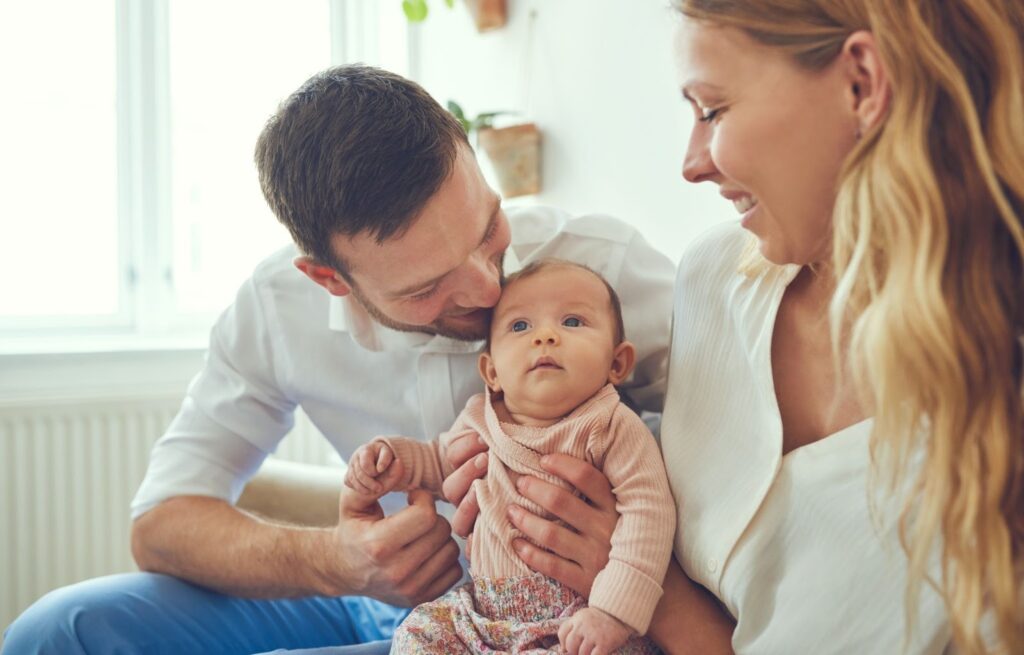
For many birth mothers, staying connected — even in small ways — can ease some of the emotional challenges that come after placement. While every mother is different, open or semi-open adoption can create meaningful reassurance and comfort during the healing process.
Open or semi-open adoption can allow you to:
This connection can help soften the sudden shift from pregnancy and birth to separation — one of the biggest emotional triggers for post-adoption depression.
Having adoptive parents who value your role and feelings makes a tremendous difference. Supportive adoptive families are:
When everyone works together with empathy, the adoption becomes a shared circle of care, rather than a sharp break between past and future.
Your adoption agency can support you in creating a plan that fits your emotional needs — now and in the future. With guidance, you can decide: your options,
Your heart matters in the adoption experience — and you should never feel forgotten.
Postpartum and post-adoption depression are real, common, and treatable. Whether symptoms show up days after placement or months later, you are not expected to handle everything on your own.
At Texas Adoption Center, we provide post-adoption services:
We walk beside you — not just during pregnancy, but long after placement. Our center supports birth mothers throughout the adoption process and beyond, offering resources and care at every stage.