When Does a Baby Have a Heartbeat? (A Timeline)

When Does a Baby Have a Heartbeat? (A Timeline)

When you first see a positive pregnancy test, your mind may fill with both excitement and questions. One of the most common early curiosities expectant mothers have is: “When does a baby have a heartbeat?” Understanding what’s happening inside your body during those first few weeks can bring comfort and clarity as your pregnancy begins to progress.

During early pregnancy, your body begins preparing for incredible change. Within days of conception, cells multiply rapidly, forming the foundation of the developing embryo. Around this time—long before you can hear your baby’s heartbeat—the early structures of the heart begin forming. This phase of fetal development marks the start of a journey that continues throughout the first trimester, when many of the baby’s most vital organs begin to take shape.

It’s completely natural to feel anxious during these early stages—especially if you haven’t yet had your first ultrasound or prenatal appointment. Many pregnant women wonder what’s normal and when medical professionals will be able to confirm that their baby’s heart is beating. In this guide, we’ll explore how and when the fetal heartbeat forms, what doctors look for in early scans, and why timing can differ from person to person.

And if you’re feeling uncertain about pregnancy or what comes next, know that you’re not alone. Texas Adoption Center offers compassionate, judgment-free support to help you explore your options and find peace—whatever your next step may be.

What Does a Fetal Heartbeat Really Mean in Early Pregnancy?
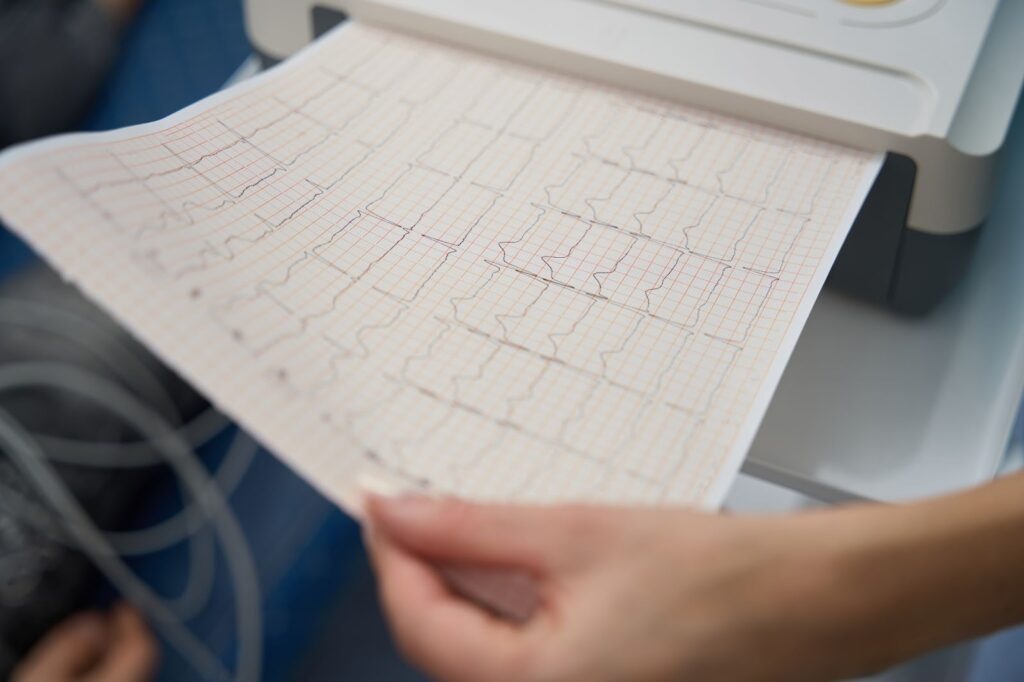
When medical professionals talk about detecting a fetal heartbeat, they’re referring to something slightly different from what we usually think of as a “heartbeat.” In the early stages of pregnancy, the embryonic heart is not yet a fully formed organ with chambers and valves—it’s a simple heart tube that begins to contract rhythmically. These early contractions, known as fetal cardiac activity, help move blood through the tiny blood vessels forming inside the embryo.

This rhythmic motion is often the first visible sign of life during an ultrasound scan. While it may not yet resemble the baby’s heart you picture later in pregnancy, this early activity marks a major milestone in fetal development. It shows that the developing heart is beginning to pump blood, providing oxygenated blood and nutrients that will support rapid growth over the next few weeks.

Doctors measure this early rhythm in relation to your gestational age, which is calculated from the first day of your last menstrual period—not from conception itself. That means the baby’s heart begins developing around five to six weeks into your pregnancy, but those first contractions are occurring when the embryo is only about three to four weeks old.

In other words, the term “heartbeat” at this point really means electronic impulses that signify fetal cardiac activity, not the strong, steady thump you’ll hear later in the first or second trimester. Still, that flicker on the ultrasound screen is one of the earliest and most reassuring signs that your developing embryo is growing as expected.

When Does a Baby Have a Heartbeat?
The baby’s heartbeat is one of the most reassuring milestones in early pregnancy, but exactly when you’ll hear or see it depends on several factors—including your gestational age, the accuracy of your menstrual cycle tracking, and the type of ultrasound used.

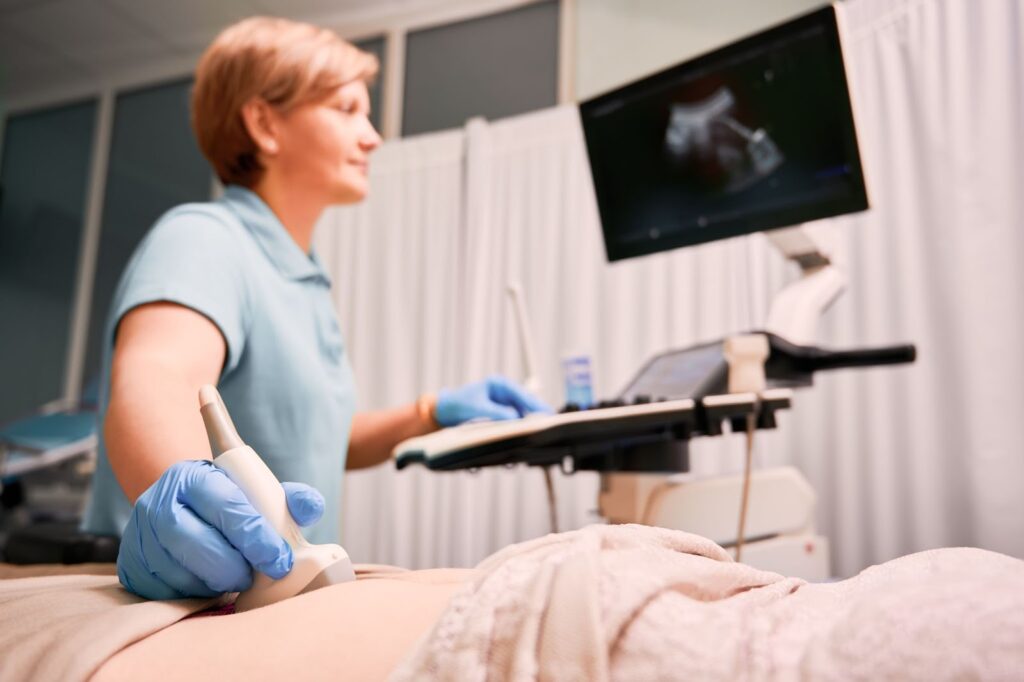
In most cases, the fetal heartbeat can be detected by transvaginal ultrasound between 5½ and 6 weeks of pregnancy. During this time, the embryo is very small, often just a few millimeters long, and the embryonic heart appears as a flicker on the screen rather than a fully formed organ. At this stage, doctors look for signs of fetal cardiac activity, which confirm that the embryo is developing normally.

If no heartbeat is seen during your first scan, don’t panic. It’s common for pregnant women to have slight variations in embryonic age due to differences in ovulation or implantation timing. Many providers will schedule a repeat ultrasound one or two weeks later to confirm growth and detect that first rhythmic flicker.

By around 7 to 8 weeks of pregnancy, most ultrasound machines can reliably capture the fetal heartbeat, which typically falls within a normal range of 110 to 160 beats per minute. This marks the moment the baby’s heart begins working hard to circulate oxygenated blood through the umbilical cord and nourish the growing fetus.

Whether it’s your first time hearing it or seeing that tiny flicker on the screen, this moment can feel deeply emotional—a tangible sign of new human life beginning to take shape.

How Doctors Detect a Baby’s Heartbeat
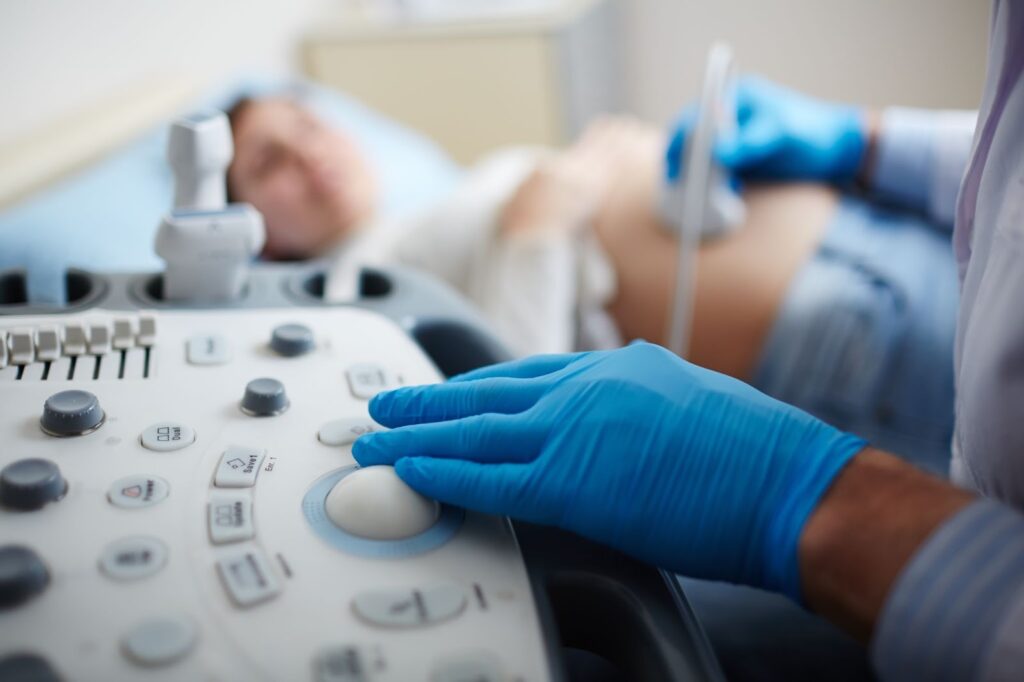
Hearing or seeing your baby’s heartbeat for the first time is an unforgettable moment. Medical professionals use specialized tools and ultrasound machines to detect fetal cardiac activity, but when and how that happens depends on both your weeks of pregnancy and the type of exam your healthcare provider performs.

During the first few weeks of pregnancy, a transvaginal ultrasound provides the clearest picture. Because the developing heart and fetal pole are still so small, this type of scan—inserted gently into the vagina—can detect a heartbeat as early as 5½ to 6 weeks of gestational age. The image often shows a faint flicker, representing the heart beating as blood begins to move through the embryo.

By 8 to 10 weeks, many pregnant women can hear the baby’s heartbeat with a handheld Doppler device at the doctor’s office. This safe, noninvasive tool uses sound waves to pick up the rhythmic whooshing of blood flow through the fetal heart and umbilical cord.

As pregnancy progresses, ultrasound scans become part of routine prenatal visits. These allow doctors to track how the baby’s heart develops, check for a normal fetal heart rate, and ensure that the fetal heart system is functioning properly. Each scan offers reassurance that development is on track and that your little one’s heart is pumping blood exactly as it should.

Why Timing Varies for Detecting the Fetal Heart

If your doctor doesn’t detect your baby’s heartbeat as early as you expected, it’s important to remember that every pregnancy develops on its own timeline. Several factors can influence when fetal cardiac activity becomes visible or audible—and most are completely normal.

One of the biggest reasons for variation is gestational age. This is calculated from the first day of your last menstrual period, not the exact date of conception. Because every menstrual cycle and ovulation window differs, your pregnancy might be a few days earlier than originally estimated. Those few days can make a big difference in ultrasound measurements during the first few weeks.

The type of ultrasound also matters. A transvaginal ultrasound can detect a fetal heart sooner than an abdominal one, simply because it provides a closer view of the uterus. However, if the fetal pole or gestational sac isn’t yet large enough, even the best ultrasound machine may not pick up the heart beating until a week or two later.

Other factors can include your body’s anatomy, the precision of medical professionals’ equipment, or even something as simple as the angle of the developing embryo during the scan. These small differences don’t usually signal a problem—they’re just part of natural variation in fetal development.

If your healthcare provider suggests a follow-up ultrasound, it’s often just to confirm progress and ensure your baby’s heart rate is within a normal range. By the ninth week, most expectant mothers can clearly see the fetal heart beating and feel reassured that everything is moving in the right direction.

Fetal Heart Rate Timeline (Week-by-Week Overview)
Every week of the first trimester brings incredible progress in your baby’s heart system. Watching the transformation from early cardiac activity to a steady, rhythmic heartbeat helps parents visualize how quickly the developing heart grows. Here’s a general look at what medical professionals see during each stage of fetal development:

Week of PregnancyWhat’s Happening in the Baby’s HeartHow It’s Detected
4 WeeksThe heart tube begins to form from specialized cells; blood vessels start connecting to the umbilical cord.Too early for detection, but it marks the beginning of heart development.
5–6 WeeksThe embryonic heart starts to pulse and circulate blood. This is the first visible sign of fetal cardiac activity.Seen by transvaginal ultrasound as a tiny flicker inside the gestational sac.
7–8 WeeksThe heart divides into chambers and develops valves, establishing a steady fetal heart rate.Often seen or heard through ultrasound scans or Doppler; the baby’s heart rate averages 120–160 bpm.
9–10 WeeksThe heart’s structure is mostly complete and begins to pump blood efficiently to the baby’s organs.Abdominal ultrasounds or handheld Dopplers can hear the baby’s heartbeat clearly.
11–12 WeeksThe fetal heart is strong and steady, adjusting rhythm to match growth needs.Routine prenatal visits often include a heartbeat check using a Doppler device.

By the end of the first trimester, your baby’s heart is fully functional, circulating oxygenated blood throughout the developing embryo and forming the basis for lifelong health. In later trimesters, your doctor may monitor heart rate patterns through additional ultrasound measurements or fetal echocardiography, especially if there are questions about fetal anatomy or blood flow.

Remember, variations in fetal heart rate are normal—every baby’s development is unique. Your healthcare provider will guide you through what’s typical for your stage and offer reassurance along the way.

The Fetal Heart System in the First Trimester
During the first trimester, your baby’s fetal heart system develops at an astonishing pace. What starts as a simple heart tube in the early weeks gradually folds, divides, and forms the complex structure that will pump blood throughout your child’s body for a lifetime.

By the end of fetal development in this stage, the unborn baby’s heart has created separate right and left chambers, allowing oxygenated blood and deoxygenated blood to move through distinct pathways. The pulmonary artery and major blood vessels begin forming, though the baby’s lungs remain inactive until birth. Instead, oxygen passes through the umbilical cord—a vital lifeline that delivers nutrients and removes waste while your baby grows safely inside the womb.

Even though your baby can’t yet survive outside the uterus, the fetal heart is already practicing the rhythms that will sustain human life. This intricate heart development supports all the other growing organs, ensuring they receive proper nutrients and blood flow during these foundational weeks.

When to Talk to Your Doctor About Your Baby’s Heart

For most pregnant women, seeing or hearing their baby’s heartbeat is one of the most exciting moments of the first trimester. Still, it’s natural to worry if your healthcare provider doesn’t detect the fetal heart right away. Every pregnancy progresses differently, and timing alone doesn’t always tell the full story.

If your provider doesn’t see fetal cardiac activity during an early ultrasound, they may schedule another scan in one or two weeks. This follow-up helps confirm your gestational age and ensures that your baby’s heart rate is increasing at a healthy pace. The American College of Obstetricians and Gynecologists notes that cardiac activity isn’t always visible until around six weeks, depending on implantation timing and your individual menstrual cycle.

You should always reach out to your OB-GYN if you experience concerning symptoms, such as spotting, pain, or changes in your pregnancy symptoms. These don’t necessarily mean there’s a problem, but your doctor can offer reassurance and perform an ultrasound or blood test to make sure your fetal development is on track.

Later in pregnancy, your provider will continue to check your baby’s heart rate and monitor the fetal heart system for any irregularities. In some cases, they may recommend fetal echocardiography—a specialized test that provides a closer look at your baby’s heart structure and blood flow. This is most often a precaution and helps doctors ensure everything is developing as it should.

Remember: a delayed or hard-to-detect heartbeat in the first few weeks does not mean something is wrong. Trust your healthcare provider to guide you through next steps, explain what’s normal, and give you peace of mind as your baby grows.

If You’re Feeling Unsure About Pregnancy

Learning about your baby’s heartbeat can stir a mix of emotions—wonder, fear, or even uncertainty. For many pregnant women, this moment brings new clarity, but for others, it can also bring questions: Am I ready? What if I’m not sure I can parent right now?

If you’re feeling overwhelmed, know that you’re not alone and that these thoughts are completely normal. Pregnancy affects every part of your body and life—your emotions, your plans, and your sense of security. Taking time to reflect on what’s best for you and your baby doesn’t make you uncertain; it makes you responsible and thoughtful.

If you’re unsure about parenting, adoption is one compassionate option to consider. Working with a licensed adoption agency like Texas Adoption Center can give you space to explore all your options—without pressure or judgment. You’ll have the freedom to create an adoption plan that fits your circumstances, from choosing the adoptive family to deciding how much openness and contact you’d like to maintain.

Texas Adoption Center offers emotional and practical support for pregnant women facing unplanned pregnancies. Our specialists can connect you with medical professionals, counseling, and other resources to ensure you receive compassionate care throughout your pregnancy. Whether you decide to parent or choose adoption, you’ll be supported every step of the way—with dignity, privacy, and kindness.

You’re Not Alone

If you’re processing new emotions after hearing your baby’s heartbeat, it’s okay to feel unsure. Every pregnancy—and every person—is different. Whether you need space to think, emotional support, or help exploring your options, Texas Adoption Center is here for you.

You can call or text us anytime for confidential, judgment-free guidance. Together, we’ll help you find the clarity, stability, and support you need—whatever path feels right for you and your baby.


7 Benefits of Adoption for Children

When you think about the benefits of adoption, it’s easy to picture the joy and love shared between a family and a child finally finding their forever home. But behind every adoption is a thoughtful, emotional adoption process designed to ensure the best possible outcome for the adopted child, their birth parents, and the adoptive families who open their homes to them.

For birth mothers and birth fathers, choosing adoption comes from a place of love—a recognition that another family may be better prepared at this moment to provide stability, care, and opportunity. And for children, the adoption benefits go beyond simply finding a loving home. Adoption can provide a stable home, access to education, healthcare, and emotional support services that nurture a child’s sense of belonging and well-being.

Each adoption story is unique. Some children are born into circumstances where their biological parents face financial hardship or are unable to provide the consistency every child deserves. Others come from foster care or experience an unplanned pregnancy situation where adoption offers a pathway to a better future. No matter how a family comes together, the benefits of adoption reach far beyond what appears at first glance—they shape the entire course of a child’s life.

At Texas Adoption Center, we believe adoption is about creating lasting connections and building brighter tomorrows. Whether you’re a birth mother choosing adoption or an adoptive parent ready to open your home, our team guides you through every step of the adoption process with compassion, respect, and transparency—ensuring that both the child and their families are supported from start to finish.

The 7 Benefits Children Gain Through Adoption

When a child is adopted, the advantages often extend far beyond what people first imagine. The benefits of adoption reach into every aspect of a child’s development—from their sense of security and belonging to their opportunities for education and emotional growth. Each family’s adoption story is different, but these seven benefits are among the most common reasons birth parents and adoptive families describe adoption as a loving choice.

1. Increased Opportunities for the Adopted Child

One of the biggest advantages of adoption is the expanded opportunities it gives an adopted child. Many adoptive parents can offer access to strong schools, extracurricular activities, and financial resources that create a foundation for a bright future. Through the adoption process, a child often gains a world of stability—routine meals, consistent care, and a safe environment to learn and grow.

While many birth parents make the loving decision to place their child because they are unable to provide these opportunities right now, adoption ensures their baby is raised in a home that can. It’s not about replacing one family—it’s about expanding love and providing a better future built on security, education, and hope.

2. Safe Homes and Neighborhoods Through the Adoption Process

Children thrive when they feel safe, and adoption ensures a stable home where their well-being is prioritized. Before a placement is approved, adoption agencies carefully evaluate adoptive families, ensuring each home provides physical safety, emotional stability, and nurturing care.

For children who might otherwise move through foster care or experience uncertainty, adoption provides consistency—a place to call home and parents who remain present through all of life’s challenges. A loving home offers more than comfort; it builds lifelong trust and emotional security, giving children the foundation they need to succeed.

3. Healthy Living Supported by Financial Resources

Adoption means that a child will have consistent access to healthcare, nutrition, and other forms of support that ensure healthy development. Adoptive parents are screened to ensure they can provide insurance coverage, routine doctor visits, and counseling when needed. Additionally, programs such as adoption assistance and the adoption tax credit help families afford the resources every child deserves.

For children born into financially strained situations, this support makes a lasting difference. Access to financial stability and medical resources helps ensure every child’s life begins with a focus on long-term health.

4. Positive Social and Emotional Development for Every Adopted Child

When children grow up surrounded by love, structure, and consistent attention,the goal is for their confidence and identity to flourish. Adoption supports emotional growth by surrounding children with caregivers who are ready and able to give one-on-one attention, validation, and reassurance.Texas Adoption Center prioritizes every adoptee by encouraging adoptive parents to seek out support services—such as post-placement counseling or child development programs—to help children process emotions and strengthen the parent-child relationship. For most children, especially those who experienced early transitions, the love and reliability of adoption help them develop resilience and emotional health that lasts well into adulthood. Adoptive families must provide a nurturing environment and safe space that will allow an adoptee to express their thoughts and emotions openly. As adoptees navigate the complex feelings that come with adoption, the adoptive parents should respond with empathy, patience, and openness.

5. Focused Care and Attention from Adoptive Families

In adoptive homes, children benefit from parents who are emotionally and financially prepared to nurture them. They receive the gift of focused care, stability, and consistent support through all life stages. Many adoptive families describe this as one of the most rewarding aspects of adoption—being able to devote the time, energy, and love that every child deserves.

For the adopted child, this means more time spent learning, laughing, and bonding. The presence of reliable caregivers allows a child to form healthy attachments, build confidence, and feel valued as a vital part of the family.

6. Belonging, Love, and Identity Through Open Adoption

A growing number of families choose open adoption, where birth parents remain in contact with the child and adoptive families through letters, photos, or visits. This openness fosters understanding and helps the child develop a strong sense of identity—knowing where they come from and feeling connected to all the people who love them.

Each adoption plan looks different, but maintaining communication between birth parents and adoptive parents can bring comfort, healing, and gratitude to everyone involved. A child who grows up understanding their story and feeling loved by multiple families often experiences the emotional security that comes from a deep sense of belonging.

7. Empowered Birth Parents and the Gift of Choice

For birth mothers and birth fathers choosing adoption can bring peace of mind. Adoption allows them to make the right choice for their child’s well-being, ensuring a life filled with opportunity and love. They maintain the ability to choose the adoptive family, set the level of openness, and receive support services throughout and after placement — allowing themselves the opportunity to provide a healthy future relationship with their child.

While adoption may begin with an unplanned pregnancy, it can end with empowerment—a decision made from love and strength. Knowing their baby is growing up safe, supported, and cherished often brings lifelong comfort and gratitude to many birth parents.

What Really Makes Adoption Benefits Last

While the benefits of adoption can be profound, what makes them last is the quality of the relationships built through the adoption process. True success isn’t measured in the moment a child joins a family—it’s seen in how love, stability, and connection continue to grow over time.

For an adopted child, the most lasting outcomes come from having adoptive parents who are emotionally prepared and supported by their adoption agency throughout every stage. Families who receive post-placement counseling, adoption assistance, and guidance are better equipped to help their child navigate questions about identity, belonging, and heritage.

Openness also plays a powerful role. In open adoption, children often maintain age-appropriate contact with their birth parents, allowing them to understand their story and feel loved by multiple families. This ongoing connection reinforces the child’s sense of identity and strengthens the parent-child relationship within their adoptive home.

For birth mothers and birth parents, continued access to support services—like counseling, community programs, and post-adoption updates—provides reassurance that their child is thriving. This two-way support ensures that everyone involved feels respected, valued, and heard.

Every adoption story is different, but the strongest ones share a few key ingredients: preparation, honesty, empathy, and communication. When families and adoption agencies work together with these values in mind, the adoption benefits don’t just shape a child’s early years—they support a lifetime of emotional health and belonging.

What Openness Can Look Like Year-by-Year

Every adoption journey is unique, but one of the most meaningful parts of modern adoption is the growing acceptance of open adoption. When done thoughtfully, openness helps an adopted child stay connected to their story, their roots, and their extended circle of love—including their birth parents and adoptive parents.

Here’s how openness often develops over time, though it’s always tailored to each adoption plan and family’s comfort level:

Infancy to Preschool (Ages 0–5)

During these early years, openness usually includes updates through messages, photos, or visits. For birth mothers, this reassurance brings peace of mind, knowing their baby is growing in a loving home. For the adoptive parents, it builds trust and gratitude toward the people who gave them the chance to raise their child.

At this stage, the focus is on creating stability for the child’s life—routine, safety, and the beginnings of attachment within the adoptive family. Openness is gentle and structured, offering comfort to everyone involved.

Early Childhood (Ages 6–10)

As the child grows more curious about their story, updates may include more personal touches—school photos, artwork, or short notes. Some adoptive triads  may arrange in-person visits with guidance from their adoption agency.

Children often begin to understand that they are adopted and that multiple people love them deeply. These years are vital for shaping a positive sense of identity and helping children embrace their unique family structure. Open conversations between adoptive parents and children build trust and security.

Preteen to Teen Years (Ages 11–17)

Adolescence brings more complex emotions and questions about heritage, genetics, and belonging. In many open adoption arrangements, communication becomes more direct—through emails, video calls, or visits.

Teens often begin developing their own relationship with their birth family, guided by mutual respect and support. The adoptive parents continue providing structure and reassurance, helping the teen integrate both family connections into their growing sense of self.

Adulthood and Beyond

As the adopted child reaches adulthood, openness becomes a personal choice. Many adult adoptees maintain regular contact with their birth parents and remain close with their adoptive families, honoring both relationships in their own way.

Some even share holidays, milestones, or weddings together—proof that love isn’t limited by biology or labels. When openness is nurtured with respect, honesty, and support, it becomes one of adoption’s most profound lifelong benefits.

Benefits of Adoption for Birth Mothers

Adoption is not only life-changing for the adopted child—it can also bring profound peace, strength, and stability to birth mothers. When approached with compassion, transparency, and the right support, adoption allows women to make a thoughtful decision that reflects both love and courage.

For many birth parents, the greatest benefit of adoption is knowing their child is growing in a stable home filled with opportunity and love. This decision often gives them space to rebuild their own lives—pursuing school, work, or healing—without losing connection or dignity in the process.

Texas Adoption Center ensures that every woman exploring adoption has access to support services, from counseling and financial assistance to creating a personalized adoption plan that fits her circumstances and comfort level. Through open adoption, many birth mothers choose to stay connected with their child and adoptive family, receiving photos, letters, and updates that affirm their child’s well-being. Texas Adoption Center encourages adoptive triads to embrace openness. 

The process is also deeply empowering. Placing a baby for adoption doesn’t mean giving up; it means making a deliberate, loving decision to provide the best possible future. Birth mothers retain their legal rights throughout the adoption process, supported by an adoption agency that advocates for their needs at every step.

And even after placement, Texas Adoption Center’s commitment doesn’t end. Through ongoing communication, emotional care, and connection to local resources, birth mothers receive the reassurance that they are never alone—that their strength continues to shape their child’s life in meaningful ways.

Texas Adoption Center Provides Adoption Assistance

Whether you’re a birth mother exploring your options, an adoptive parent learning what adoption really means, or simply someone who wants to understand the benefits of adoption, you don’t have to navigate these questions alone.

At Texas Adoption Center, you’ll find more than just an adoption agency—you’ll find a team of caring professionals who listen, guide, and stand by you through every step of the adoption process. From understanding your rights and creating an adoption plan, to connecting with the right adoptive family and accessing emotional or financial resources, we provide a safe, judgment-free space to talk and decide what’s best for you and your child.

If you’re not ready to parent or are simply exploring whether choosing adoption might be the right choice, we’ll help you explore every possibility at your own pace. Our role is to empower you—to help you feel confident, informed, and supported in whatever path you choose.

Contact us today to discuss your potential adoption process. No pressure, no judgment—just compassionate help and real answers, whenever you’re ready.

Unplanned Pregnancy Advice: 5 Tips For Coping

unplanned pregnancy advice

Are you facing an unplanned pregnancy? If so, you have a number of options. You may choose to parent the baby yourself. You may choose to pursue an adoption. You may choose to have an abortion. Or you may choose to rely on a friend or family member to take care of the baby.

Continue reading

“I Want to Place My Baby With an Adoptive Family”

i want to give my baby up for adoption

It’s common to think that adoption means you’re “giving up” your baby. But that’s not what it means at all. Adoption means you want what’s best for your child, and that you are considering all of your options in seeking to give your child the best life possible.

Continue reading