

When Does a Baby Have a Heartbeat? (A Timeline)

When you first see a positive pregnancy test, your mind may fill with both excitement and questions. One of the most common early curiosities expectant mothers have is: “When does a baby have a heartbeat?” Understanding what’s happening inside your body during those first few weeks can bring comfort and clarity as your pregnancy begins to progress.
During early pregnancy, your body begins preparing for incredible change. Within days of conception, cells multiply rapidly, forming the foundation of the developing embryo. Around this time—long before you can hear your baby’s heartbeat—the early structures of the heart begin forming. This phase of fetal development marks the start of a journey that continues throughout the first trimester, when many of the baby’s most vital organs begin to take shape.
It’s completely natural to feel anxious during these early stages—especially if you haven’t yet had your first ultrasound or prenatal appointment. Many pregnant women wonder what’s normal and when medical professionals will be able to confirm that their baby’s heart is beating. In this guide, we’ll explore how and when the fetal heartbeat forms, what doctors look for in early scans, and why timing can differ from person to person.
And if you’re feeling uncertain about pregnancy or what comes next, know that you’re not alone. Texas Adoption Center offers compassionate, judgment-free support to help you explore your options and find peace—whatever your next step may be.
What Does a Fetal Heartbeat Really Mean in Early Pregnancy?
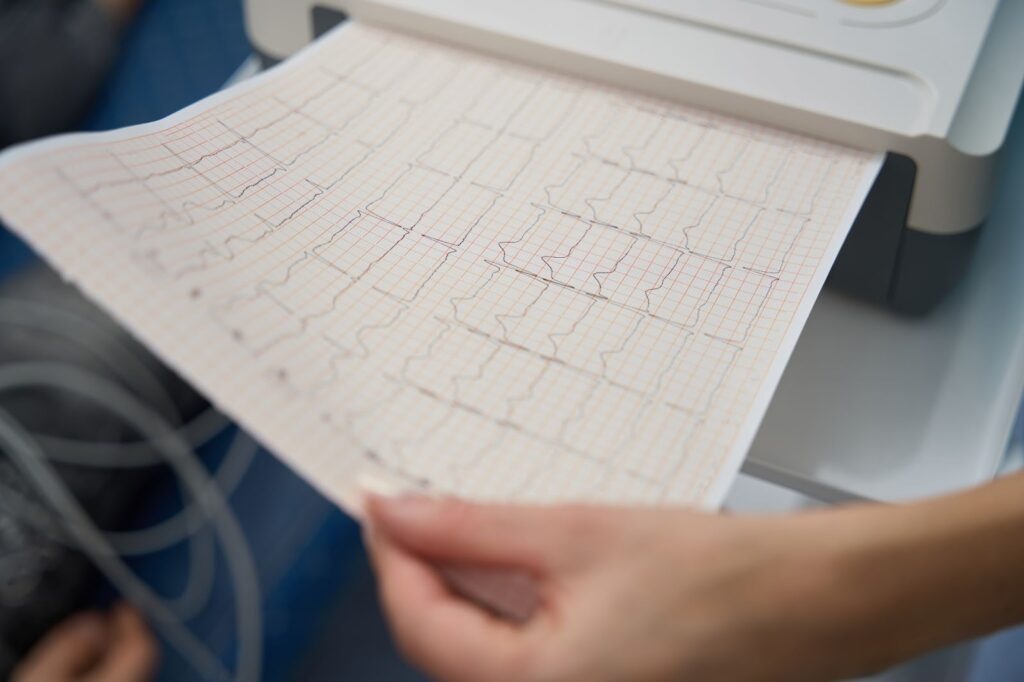
When medical professionals talk about detecting a fetal heartbeat, they’re referring to something slightly different from what we usually think of as a “heartbeat.” In the early stages of pregnancy, the embryonic heart is not yet a fully formed organ with chambers and valves—it’s a simple heart tube that begins to contract rhythmically. These early contractions, known as fetal cardiac activity, help move blood through the tiny blood vessels forming inside the embryo.
This rhythmic motion is often the first visible sign of life during an ultrasound scan. While it may not yet resemble the baby’s heart you picture later in pregnancy, this early activity marks a major milestone in fetal development. It shows that the developing heart is beginning to pump blood, providing oxygenated blood and nutrients that will support rapid growth over the next few weeks.
Doctors measure this early rhythm in relation to your gestational age, which is calculated from the first day of your last menstrual period—not from conception itself. That means the baby’s heart begins developing around five to six weeks into your pregnancy, but those first contractions are occurring when the embryo is only about three to four weeks old.
In other words, the term “heartbeat” at this point really means electronic impulses that signify fetal cardiac activity, not the strong, steady thump you’ll hear later in the first or second trimester. Still, that flicker on the ultrasound screen is one of the earliest and most reassuring signs that your developing embryo is growing as expected.
When Does a Baby Have a Heartbeat?
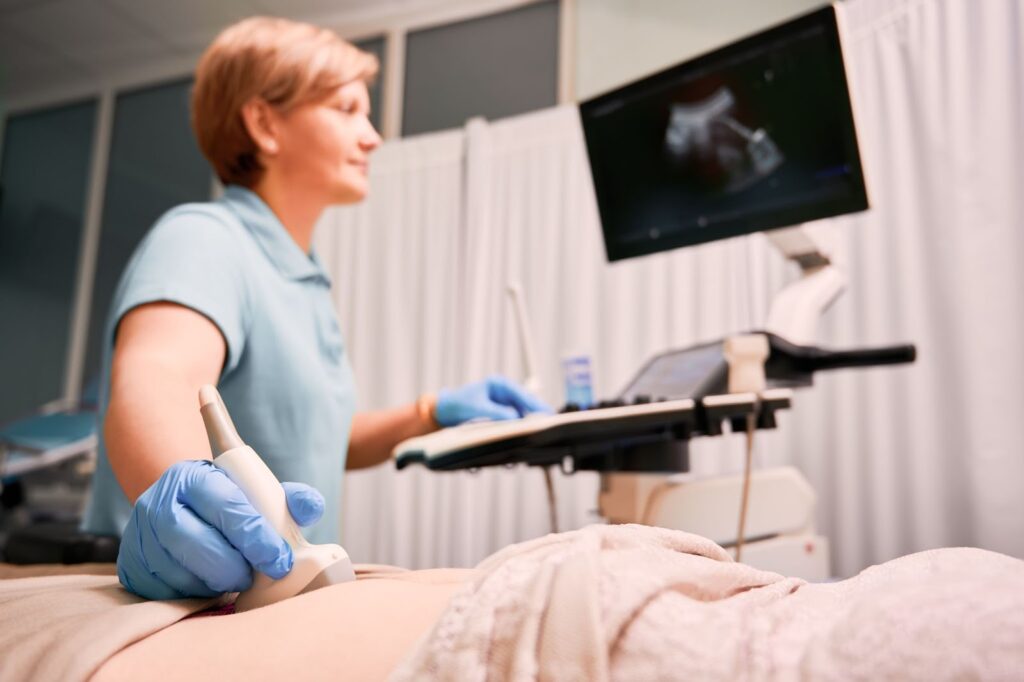
The baby’s heartbeat is one of the most reassuring milestones in early pregnancy, but exactly when you’ll hear or see it depends on several factors—including your gestational age, the accuracy of your menstrual cycle tracking, and the type of ultrasound used.
In most cases, the fetal heartbeat can be detected by transvaginal ultrasound between 5½ and 6 weeks of pregnancy. During this time, the embryo is very small, often just a few millimeters long, and the embryonic heart appears as a flicker on the screen rather than a fully formed organ. At this stage, doctors look for signs of fetal cardiac activity, which confirm that the embryo is developing normally.
If no heartbeat is seen during your first scan, don’t panic. It’s common for pregnant women to have slight variations in embryonic age due to differences in ovulation or implantation timing. Many providers will schedule a repeat ultrasound one or two weeks later to confirm growth and detect that first rhythmic flicker.
By around 7 to 8 weeks of pregnancy, most ultrasound machines can reliably capture the fetal heartbeat, which typically falls within a normal range of 110 to 160 beats per minute. This marks the moment the baby’s heart begins working hard to circulate oxygenated blood through the umbilical cord and nourish the growing fetus.
Whether it’s your first time hearing it or seeing that tiny flicker on the screen, this moment can feel deeply emotional—a tangible sign of new human life beginning to take shape.
How Doctors Detect a Baby’s Heartbeat
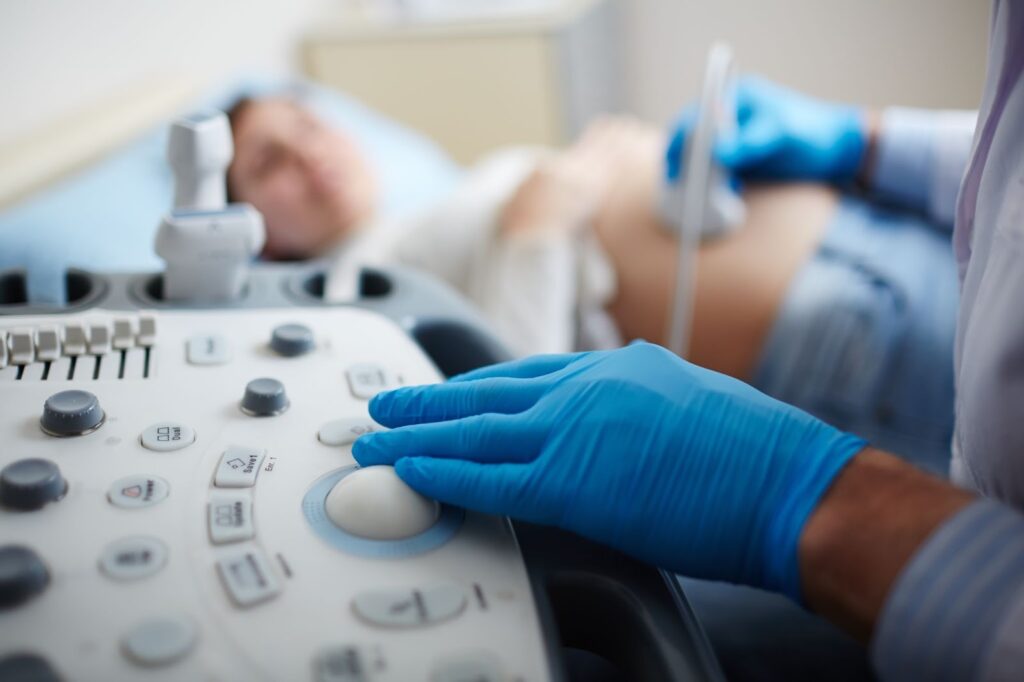
Hearing or seeing your baby’s heartbeat for the first time is an unforgettable moment. Medical professionals use specialized tools and ultrasound machines to detect fetal cardiac activity, but when and how that happens depends on both your weeks of pregnancy and the type of exam your healthcare provider performs.
During the first few weeks of pregnancy, a transvaginal ultrasound provides the clearest picture. Because the developing heart and fetal pole are still so small, this type of scan—inserted gently into the vagina—can detect a heartbeat as early as 5½ to 6 weeks of gestational age. The image often shows a faint flicker, representing the heart beating as blood begins to move through the embryo.
By 8 to 10 weeks, many pregnant women can hear the baby’s heartbeat with a handheld Doppler device at the doctor’s office. This safe, noninvasive tool uses sound waves to pick up the rhythmic whooshing of blood flow through the fetal heart and umbilical cord.
As pregnancy progresses, ultrasound scans become part of routine prenatal visits. These allow doctors to track how the baby’s heart develops, check for a normal fetal heart rate, and ensure that the fetal heart system is functioning properly. Each scan offers reassurance that development is on track and that your little one’s heart is pumping blood exactly as it should.
Why Timing Varies for Detecting the Fetal Heart

If your doctor doesn’t detect your baby’s heartbeat as early as you expected, it’s important to remember that every pregnancy develops on its own timeline. Several factors can influence when fetal cardiac activity becomes visible or audible—and most are completely normal.
One of the biggest reasons for variation is gestational age. This is calculated from the first day of your last menstrual period, not the exact date of conception. Because every menstrual cycle and ovulation window differs, your pregnancy might be a few days earlier than originally estimated. Those few days can make a big difference in ultrasound measurements during the first few weeks.
The type of ultrasound also matters. A transvaginal ultrasound can detect a fetal heart sooner than an abdominal one, simply because it provides a closer view of the uterus. However, if the fetal pole or gestational sac isn’t yet large enough, even the best ultrasound machine may not pick up the heart beating until a week or two later.
Other factors can include your body’s anatomy, the precision of medical professionals’ equipment, or even something as simple as the angle of the developing embryo during the scan. These small differences don’t usually signal a problem—they’re just part of natural variation in fetal development.
If your healthcare provider suggests a follow-up ultrasound, it’s often just to confirm progress and ensure your baby’s heart rate is within a normal range. By the ninth week, most expectant mothers can clearly see the fetal heart beating and feel reassured that everything is moving in the right direction.
Fetal Heart Rate Timeline (Week-by-Week Overview)

Every week of the first trimester brings incredible progress in your baby’s heart system. Watching the transformation from early cardiac activity to a steady, rhythmic heartbeat helps parents visualize how quickly the developing heart grows. Here’s a general look at what medical professionals see during each stage of fetal development:
| Week of Pregnancy | What’s Happening in the Baby’s Heart | How It’s Detected |
| 4 Weeks | The heart tube begins to form from specialized cells; blood vessels start connecting to the umbilical cord. | Too early for detection, but it marks the beginning of heart development. |
| 5–6 Weeks | The embryonic heart starts to pulse and circulate blood. This is the first visible sign of fetal cardiac activity. | Seen by transvaginal ultrasound as a tiny flicker inside the gestational sac. |
| 7–8 Weeks | The heart divides into chambers and develops valves, establishing a steady fetal heart rate. | Often seen or heard through ultrasound scans or Doppler; the baby’s heart rate averages 120–160 bpm. |
| 9–10 Weeks | The heart’s structure is mostly complete and begins to pump blood efficiently to the baby’s organs. | Abdominal ultrasounds or handheld Dopplers can hear the baby’s heartbeat clearly. |
| 11–12 Weeks | The fetal heart is strong and steady, adjusting rhythm to match growth needs. | Routine prenatal visits often include a heartbeat check using a Doppler device. |
By the end of the first trimester, your baby’s heart is fully functional, circulating oxygenated blood throughout the developing embryo and forming the basis for lifelong health. In later trimesters, your doctor may monitor heart rate patterns through additional ultrasound measurements or fetal echocardiography, especially if there are questions about fetal anatomy or blood flow.
Remember, variations in fetal heart rate are normal—every baby’s development is unique. Your healthcare provider will guide you through what’s typical for your stage and offer reassurance along the way.
The Fetal Heart System in the First Trimester

During the first trimester, your baby’s fetal heart system develops at an astonishing pace. What starts as a simple heart tube in the early weeks gradually folds, divides, and forms the complex structure that will pump blood throughout your child’s body for a lifetime.
By the end of fetal development in this stage, the unborn baby’s heart has created separate right and left chambers, allowing oxygenated blood and deoxygenated blood to move through distinct pathways. The pulmonary artery and major blood vessels begin forming, though the baby’s lungs remain inactive until birth. Instead, oxygen passes through the umbilical cord—a vital lifeline that delivers nutrients and removes waste while your baby grows safely inside the womb.
Even though your baby can’t yet survive outside the uterus, the fetal heart is already practicing the rhythms that will sustain human life. This intricate heart development supports all the other growing organs, ensuring they receive proper nutrients and blood flow during these foundational weeks.
When to Talk to Your Doctor About Your Baby’s Heart

For most pregnant women, seeing or hearing their baby’s heartbeat is one of the most exciting moments of the first trimester. Still, it’s natural to worry if your healthcare provider doesn’t detect the fetal heart right away. Every pregnancy progresses differently, and timing alone doesn’t always tell the full story.
If your provider doesn’t see fetal cardiac activity during an early ultrasound, they may schedule another scan in one or two weeks. This follow-up helps confirm your gestational age and ensures that your baby’s heart rate is increasing at a healthy pace. The American College of Obstetricians and Gynecologists notes that cardiac activity isn’t always visible until around six weeks, depending on implantation timing and your individual menstrual cycle.
You should always reach out to your OB-GYN if you experience concerning symptoms, such as spotting, pain, or changes in your pregnancy symptoms. These don’t necessarily mean there’s a problem, but your doctor can offer reassurance and perform an ultrasound or blood test to make sure your fetal development is on track.
Later in pregnancy, your provider will continue to check your baby’s heart rate and monitor the fetal heart system for any irregularities. In some cases, they may recommend fetal echocardiography—a specialized test that provides a closer look at your baby’s heart structure and blood flow. This is most often a precaution and helps doctors ensure everything is developing as it should.
Remember: a delayed or hard-to-detect heartbeat in the first few weeks does not mean something is wrong. Trust your healthcare provider to guide you through next steps, explain what’s normal, and give you peace of mind as your baby grows.
If You’re Feeling Unsure About Pregnancy

Learning about your baby’s heartbeat can stir a mix of emotions—wonder, fear, or even uncertainty. For many pregnant women, this moment brings new clarity, but for others, it can also bring questions: Am I ready? What if I’m not sure I can parent right now?
If you’re feeling overwhelmed, know that you’re not alone and that these thoughts are completely normal. Pregnancy affects every part of your body and life—your emotions, your plans, and your sense of security. Taking time to reflect on what’s best for you and your baby doesn’t make you uncertain; it makes you responsible and thoughtful.
If you’re unsure about parenting, adoption is one compassionate option to consider. Working with a licensed adoption agency like Texas Adoption Center can give you space to explore all your options—without pressure or judgment. You’ll have the freedom to create an adoption plan that fits your circumstances, from choosing the adoptive family to deciding how much openness and contact you’d like to maintain.
Texas Adoption Center offers emotional and practical support for pregnant women facing unplanned pregnancies. Our specialists can connect you with medical professionals, counseling, and other resources to ensure you receive compassionate care throughout your pregnancy. Whether you decide to parent or choose adoption, you’ll be supported every step of the way—with dignity, privacy, and kindness.
You’re Not Alone
If you’re processing new emotions after hearing your baby’s heartbeat, it’s okay to feel unsure. Every pregnancy—and every person—is different. Whether you need space to think, emotional support, or help exploring your options, Texas Adoption Center is here for you.
You can call or text us anytime for confidential, judgment-free guidance. Together, we’ll help you find the clarity, stability, and support you need—whatever path feels right for you and your baby.