
Post-Adoption Depression: What Birth Mothers Should Know

Postpartum depression is a very real issue many birth mothers face — and you are not alone. While approximately 70–80% of women experience temporary “baby blues,” between 10–20% develop clinical postpartum depression (PPD). What many people don’t realize is that PPD can still happen even if you place your baby for adoption. Your body still goes through pregnancy, childbirth, and the same sudden hormone changes as any new mother.
For birth mothers, postpartum emotions can be even more complex. In addition to physical recovery, you may be experiencing grief, love, pride, and loss all at once. These feelings are valid. Ending a pregnancy with adoption doesn’t end your bond or the hormonal shifts that affect your brain and well-being.
You may have heard that postpartum depression only appears right after birth — but that’s not true. Symptoms can start anytime from the first few weeks and up to 18 months afterward, especially as life changes settle in. That’s why understanding what postpartum depression looks like, knowing your support options, and staying connected to caring professionals is so important.
Before we go further, take a moment with this short reflection:
Journal Prompt for Birth Mothers
- What emotions have been strongest since giving birth?
- What support do I have available right now?
- Who could I reach out to if I need help?
Your feelings matter — and help is always here.
What Is Postpartum Depression?

Having a baby is a life-changing experience. After nine months of physical and hormonal changes, your body does not simply “bounce back” once delivery is over. The sudden shift in estrogen and progesterone after childbirth can greatly impact the chemistry of your brain. When you add in exhaustion, recovery, and the emotional weight of choosing adoption, it’s understandable that many birth mothers experience mood changes.
Postpartum depression (PPD) is an episode of major depression connected to pregnancy and childbirth. It goes beyond the common “baby blues” — which affect up to 80% of new mothers and usually fade within about two weeks. PPD is more intense and lasts longer, often affecting daily life, energy, and emotional balance. Clinical research identifies depressive symptoms such as persistent sadness, loss of interest, and changes in sleep or appetite as common experiences during postpartum depression.
Evidence suggests about 1 in 7 women will experience postpartum depression in the year following birth. That’s nearly 600,000 mothers each year — and experts believe the number is even higher because many cases go undiagnosed.
Postpartum depression doesn’t always start right away. While some birth mothers feel symptoms within the first few weeks, others may not experience depression until months later, especially if they are coping with grief, stress, or major life transitions after placement.
And here’s something important that many birth mothers don’t get told:
Placing a baby for adoption does not protect or exclude anyone from postpartum depression.
Your body, your hormones, and your heart all experienced pregnancy and birth. PPD is not about being a parent day-to-day — it’s about healing and adjusting after giving birth.
Post-Adoption Depression vs. Postpartum Depression: What’s the Difference?

Many birth mothers assume postpartum depression only affects people who take their babies home. But PPD is rooted in hormonal changes, physical recovery, and emotional transition — all of which happen whether you parent or choose adoption.
However, birth mothers may also experience post-adoption depression (sometimes referred to as post adoption depression syndrome in literature), which can overlap with PPD but is shaped by distinct emotional experiences:
Post-Adoption Depressive Symptoms Include:
- Grief and mourning the loss of day-to-day motherhood
- Questions about identity and future plans
- Worry about whether the baby is safe, loved, and thriving
- Changes in relationships with friends or family
- A sudden quiet after weeks of intense decision-making and contact
- Depressed mood, which is a common emotional sign and may accompany other symptoms
Post-adoption depression can appear immediately after placement or during the months post placement, especially once life “goes back to normal” for everyone else — while you’re still processing everything.
Why Post-Adoption Depression Is Common
As a birth mother, you may feel pride in choosing adoption and sadness at the same time. You may love your baby deeply and feel relieved they are with the adoptive family you chose.
Those mixed emotions don’t mean you made the wrong choice — they mean you are human.
Your adoption plan may have brought incredible love and security into your baby’s life. But it can also leave you dealing with:
- Isolation if others don’t understand what you’re going through
- Guilt or self-judgment over not parenting
- Stigma from people who don’t understand adoption
- Fear about whether it’s okay to ask for updates or connection
Unrealistic expectations about the adoption process or parenthood, as well as unmet expectations regarding emotional recovery, can contribute to post-adoption depression. Recognizing and managing these expectations is important for your mental health.
These feelings are valid. And you deserve support — not silence.
Signs and Symptoms to Watch For
Birth mothers navigating postpartum or post-adoption depression can experience a wide range of emotional and physical symptoms. These can look similar to other forms of depression — the key difference is timing and the intense life changes surrounding adoption.
While “baby blues” may involve temporary sadness, worry, or crying spells that go away within 10–14 days, postpartum depression lasts longer and interferes with daily life and emotional well-being.
Common symptoms include:
- Loss of interest or joy in activities you once enjoyed
- Weight gain or loss not tied to diet
- Changes in appetite
- Unexplained crying or frequent crying spells
- Constant fatigue or low energy
- Feeling guilty, hopeless, or overwhelmed
- Difficulty sleeping or sleeping too much
- Intrusive or frightening thoughts
- Thoughts of self-harm or wanting to disappear
- Difficulty concentrating
The depressive symptoms experienced by birth mothers after adoption can vary widely, ranging from emotional struggles to physical changes. Even if you felt confident in your adoption plan, your emotions can shift after placement — especially once your body and brain start healing from birth.
What Makes Symptoms Stronger for Birth Mothers?
Post-adoption emotions may be intensified by:
- Grief over physical separation from your baby
- Unplanned pregnancy stress finally hitting after months of survival mode
- Hormonal fluctuations that impact mood and motivation
- Changes in identity, relationships, and future goals
- Silence or stigma if others expect you to “move on” quickly
In addition to these, other risk factors, such as lack of support or pre-existing mental health conditions—like depression prior to adoption—can also play a role in the severity of post-adoption depression.
Sometimes, depression may show up months later, after the busy season of pregnancy and placement has passed. This delayed timing can make it harder to recognize what’s happening.
Here’s the truth:
Strong feelings after adoption do not mean you made the wrong choice — they mean your heart and body remember what they went through.
No matter when symptoms appear, reaching out for support is a sign of strength, not weakness.
What Increases the Risk of Post-Adoption Depression Syndrome for Birth Mothers
Postpartum depression can affect any birth mother — even those who feel completely confident in their adoption decision. But there are certain experiences that can make symptoms more likely to appear or last longer. Research also identifies low self esteem and socioeconomic status as important risk factors that can increase vulnerability to postpartum depression.
Common Risk Factors
- A personal or family history of depression or other mental health conditions
- Low self esteem or poor self-image
- Lack of social support
- High levels of stress or recent major life changes
- Socioeconomic status, such as financial instability or limited access to resources
- Difficulties in family dynamics, including adjusting to new roles and relationships
- Unplanned or unwanted pregnancy
- Complications during pregnancy or childbirth
Why Birth Mothers Are Especially Vulnerable
You made a loving, thoughtful decision for your child — but that doesn’t erase:
- The bond your body formed throughout pregnancy
- The identity shift that comes with giving birth
- The grief of placing a child you carried
- The sudden change in routines and relationships after placement
Many birth mothers describe a period of:
“Everyone else moved forward, while I stayed stuck in the moment I said goodbye.”
That emotional contrast — love and loss together — can intensify depression’s impact.
How to Cope With Postpartum Depression After Adoption

Managing postpartum depression after adoption is not about “snapping out of it.” It’s about finding support, healing gradually, and giving yourself the compassion you deserve. Maintaining your physical health and prioritizing healthy eating are also important parts of coping with post-adoption depression, as they support both your mental and physical well-being. Building a strong support network—including friends, family, and professionals—can play a crucial role in your recovery. The following strategies can help you move through this season with more steadiness and support.
1. Be Kind to Yourself
Postpartum depression can make you feel like you “should” be doing more or feeling differently. But grief and recovery do not follow a simple timeline.
✔️ Let yourself rest
✔️ Do small things that comfort you
✔️ Remind yourself you made a loving choice
Your feelings — every single one of them — are a normal response to a major emotional and physical transition.
2. Focus on Your Health
Your body has been through an enormous transformation. Prioritizing healing can help support your mental health too.
Try your best to:
- Eat regular meals and drink water
- Get gentle movement once cleared by your doctor
- Sleep when you can — even naps count
- Keep up with follow-up medical appointments
Healing your body helps you regain strength in both mind and heart.
3. Avoid Isolation
Post-adoption depression is often worsened by feeling alone. It can help to:
- Talk with trusted friends or family
- Join birth mother peer groups
- Stay connected to your adoption agency
- Spend time with people who support your healing
Having someone simply sit with you, listen, or check in can make a huge emotional difference.
Connecting with other parents who have experienced adoption can also provide valuable support and understanding.
4. Talk to a Professional
Postpartum depression is medical — not personal failure. Treatment options may include:
- Counseling or therapy with someone who supports birth mothers
- Family counseling as a support service to help adoptive families navigate challenges and promote well-being
- Medication to help stabilize mood, if appropriate
- Support groups designed for post-adoption emotions
The first step is connection, not perfection.
Your healthcare provider or an adoption counselor can guide you toward the right supports. An adoption social worker can also provide specialized support and resources for birth mothers experiencing post-adoption depression. These professionals can also provide practical tools to help manage emotions and support your recovery.
5. Create a Support Plan With Your Agency
Texas Adoption Center can help you:
- Find counseling covered by your insurance or low-cost providers
- Reconnect with your adoptive family updates if that brings comfort
- Access peer support groups
- Navigate your emotions without judgment
- Maintain openness in adoption if that helps you heal
Such support can make a significant difference in your recovery.
You do not have to manage postpartum or post-adoption depression alone.
6. Be Patient With Your Progress
Recovery isn’t linear. Some days will feel easier — others may feel heavy. What matters is continuing to show up for yourself and asking for help when needed.
Healing takes time because love runs deep.
When to Seek Professional Help
While postpartum or post-adoption depression can vary in intensity, there are times when immediate professional support is essential, especially for serious mental health issues. If you are experiencing symptoms that feel overwhelming or are interfering with basic daily functioning, reaching out for help is the right — and brave — step. If these symptoms reach clinically significant levels, such as persistent inability to function or severe emotional distress, immediate professional help is warranted.
Contact a doctor or mental health professional right away if you:
- Have recurring thoughts of self-harm or that the world would be better without you
- Are experiencing panic attacks, severe anxiety, anxiety symptoms, or overwhelming fear
- Feel unable to eat, sleep, or take care of basic needs
- Can’t stop crying or feel emotionally “numb” most of the time
- Have intrusive or frightening thoughts you can’t control
- Feel unsafe, or feel like you could hurt yourself unintentionally
You deserve immediate care and compassion.
Your safety and well-being matter — deeply.
Emergency Support Options
If you are in crisis or worried about your safety:
- Call or text 988 for the Suicide & Crisis Lifeline (24/7, confidential)
- If you feel in immediate danger, call 911 or go to the nearest emergency room
- Reach out to someone you trust and let them stay with you until help is available
It’s More Than Okay to Ask for Help
Many birth mothers hesitate to seek help because they believe:
- “I should be stronger.”
- “I made this choice — so I don’t get to struggle.”
- “People won’t understand.”
But here’s the truth:
Being a birth mother means you’ve already demonstrated immense strength.
Seeking help is a continuation of that strength — not a break from it.
Whether your symptoms are new or lingering months later, you deserve treatment that supports your healing and honors your experience.
How Openness in Adoption Can Support Healing
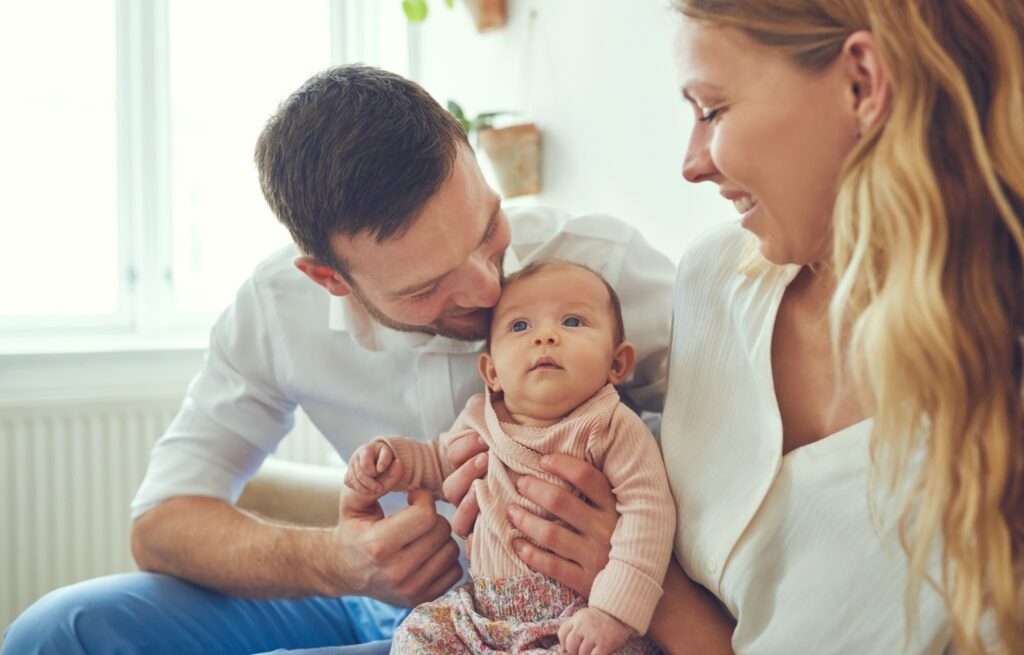
For many birth mothers, staying connected — even in small ways — can ease some of the emotional challenges that come after placement. While every mother is different, open or semi-open adoption can create meaningful reassurance and comfort during the healing process.
A Connection That Supports the Heart
Open or semi-open adoption can allow you to:
- See your child grow through photos, letters, or occasional visits
- Know your child is safe, loved, and thriving
- Maintain a sense of identity and belonging in your child’s life
- Reduce fears of the unknown that often fuel anxiety or sadness
- Honor the love that influenced your decision
This connection can help soften the sudden shift from pregnancy and birth to separation — one of the biggest emotional triggers for post-adoption depression.
Choosing Adoptive Parents Who Understand
Having adoptive parents who value your role and feelings makes a tremendous difference. Supportive adoptive families are:
- Respectful of your emotions and boundaries
- Open to communication as agreed upon in your adoption plan
- Honoring your place in the child’s story
- Grateful for the trust you placed in them
When everyone works together with empathy, the adoption becomes a shared circle of care, rather than a sharp break between past and future.
You Deserve a Thoughtful, Loving Adoption Plan
Your adoption agency can support you in creating a plan that fits your emotional needs — now and in the future. With guidance, you can decide: your options,
- How often you’d like updates
- What kind of communication you prefer (texts, email, visits)
- What role you want to maintain as your child grows
Your heart matters in the adoption experience — and you should never feel forgotten.
Find the Support and Resources You Deserve at Texas Adoption Center
Postpartum and post-adoption depression are real, common, and treatable. Whether symptoms show up days after placement or months later, you are not expected to handle everything on your own.
At Texas Adoption Center, we provide post-adoption services:
- Compassionate counseling referrals
- Connections to peer support groups for birth mothers
- Help finding a doctor familiar with postpartum mental health
- Emotional support from a team who understands adoption journeys, including adoption social workers and social workers who can provide guidance and support
- Guidance to navigate ongoing contact with your baby’s adoptive family
We walk beside you — not just during pregnancy, but long after placement. Our center supports birth mothers throughout the adoption process and beyond, offering resources and care at every stage.