
If you are pregnant and homeless and need help getting through this difficult time, you can take comfort in knowing that free help is available in Texas. However, there are often barriers that make it difficult for pregnant people to access homelessness assistance and healthcare services. Being pregnant in itself is a physically taxing experience that could feel heavier if you find yourself without a home and the proper resources for care. The good news is that many Texas benefits for pregnancy are free both from the government and private organizations like women’s shelters and adoption centers.
Here, we talk about the financial, housing, food, and other pregnancy resources that are available in Texas for those who cannot afford them. If you are considering placing your baby for adoption, this information on free help for pregnant mothers will certainly go a long way in ensuring a safe and nurturing environment for you and your unborn child.
A Rapid-Response Guide

If you’re pregnant and don’t have a safe place to sleep tonight, you still have options. Call 2-1-1 Texas to be connected to nearby shelter beds, transportation, food, and medical care 24/7. You can also search statewide online. After you ask for a referral to another location, ask about other services that may be available, such as health, social, or housing support.
If you feel unsafe due to violence: you can speak with an advocate 24/7 via the National Domestic Violence Hotline (phone, chat, or text) and find Texas programs through the Texas Council on Family Violence directory. If you’re in immediate danger, always call 911.
Where to Sleep Tonight (Shelters & Maternity Homes)

- Emergency shelters & DV shelters: Call 2-1-1 Texas to check real-time openings near you. Staff can also point you to warming/cooling centers during extreme weather.
- Maternity homes (examples by region):
- Austin/Central Texas: Annunciation Maternity Home (Georgetown)
- Dallas–Fort Worth: In My Shoes; Bella House (Dallas/Plano)
- Houston: LifeHouse
- San Antonio: Seton Home (for pregnant/parenting teens)
- El Paso: The Lily Pad Maternity Home
- National shelter finder: HUD’s Find Shelter tool can also locate nearby programs
Prenatal Care Without Insurance (Fast Paths)
- Federally Qualified Health Centers (FQHCs): Low-cost clinics that see patients regardless of ability to pay. Use the federal HRSA Health Center Finder to locate a clinic by ZIP. Accessing prenatal care is crucial, but pregnant women experiencing homelessness often face significant barriers to health care more broadly—including mental health, postpartum, and infant care—due to challenges like transportation and insurance.
- Texas Medicaid for Pregnant Women & CHIP Perinatal: If you qualify, these programs cover pregnancy care and delivery; Texas currently allows 12 months of postpartum coverage after the pregnancy ends. Apply even if you’re unsure—you may be eligible.
- Hospital social work/financial assistance: Ask the admitting desk for “financial counseling” or “charity care” while your application is processing—most hospitals have a process for this.
- Texas WIC: Free food benefits, nutrition support, and breastfeeding help during pregnancy and after birth.
Transportation to Care (Low- or No-Cost)

- Medicaid rides: If you’re on Medicaid or CHIP, Texas’ Non-Emergency Medical Transportation (NEMT) can arrange rides (or mileage reimbursement) to prenatal appointments and pharmacy visits.
- Not on Medicaid? Call 2-1-1 Texas and ask for local medical ride programs, bus vouchers, or nonprofit partners in your area.
Documents to Carry (or Photograph)
Keep these in a small folder—or take clear photos if you don’t have the originals:
- Photo ID (any kind you have), insurance/Medicaid case number if applicable
- Any medical/pregnancy paperwork (test results, appointment card)
- A list of medications and allergies
- Emergency contacts (including your clinic’s number)
- Protective order or important legal documents (if applicable)
If you lose documents, shelters or clinics can still help start care—bring what you can and ask for assistance replacing IDs.
Where to Find Meals, Diapers & Baby Supplies
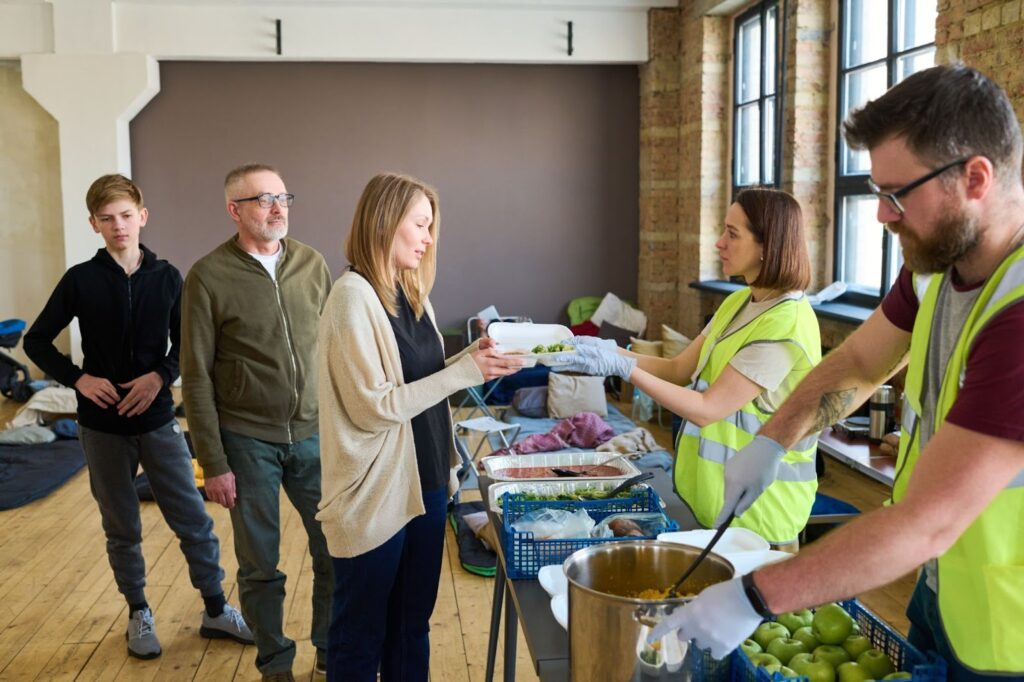
Here are a few organizations throughout the state that can help with providing food and nutritional resources:
- Austin/Central TX: Central Texas Food Bank
- Dallas–Fort Worth: North Texas Food
- Houston: Houston Food Bank
- San Antonio: San Antonio Food Bank
- El Paso: El Pasoans Fighting Hunger
- Diapers & period supplies:
- Statewide/Regional: Texas Diaper Bank
- Austin: Austin Diaper Bank
- Houston: Houston Diaper Bank; The Diaper Foundation
- Dallas–Fort Worth: Hope Supply Co.; Mobile Diaper Pantry (Dallas)
Safety Planning (Quiet Steps That Lower Risk)
If home or your current relationship doesn’t feel safe, looking for support services could pose a risk to you and your baby’s well-being. Here are some ways to protect yourself while seeking aid:
- Use a safe device (library phone/computer) and clear your history after searching for help.
- Share your location with a trusted friend and plan a code word that means “I need help now.”
- Call, text, or chat the National Domestic Violence Hotline anytime for a personalized safety plan, and use TCFV to find local Texas programs.
- Texas HHS’ Family Violence Program funds centers that can help even if you’re not near them—ask about remote advocacy and referrals.
Building a Support Network: Family and Community Resources

For pregnant women experiencing homelessness, building a strong support network can make a world of difference. While it may feel overwhelming to reach out, connecting with family members, friends, and trusted community members can provide much-needed emotional and practical support. Even if you don’t have close family nearby, local community organizations and social services are ready to help.
Many communities offer supportive services such as food pantries, clothing closets, and referrals to healthcare providers. Local authorities and social services can assist with housing assistance, including temporary housing, emergency housing, and pathways to more stable housing. Homeless shelters and community centers often have staff who can connect you with additional resources, from prenatal care to mental health support.
Remember, you are not alone. By reaching out and building a network of support, you can access the resources you need to meet your basic needs and take steps toward a safer, more stable future for you and your baby.
Overcoming Substance Use: Finding Help and Hope
Substance use disorders can create additional challenges for homeless pregnant women. If you are struggling with substance use, know that you are not alone—and that support is within reach. Many organizations offer specialized programs for pregnant women, providing counseling, peer support, and access to treatment that prioritizes both your health and your baby’s well-being.
Supportive services such as on-site case management, group therapy, and rehabilitation programs can help you address substance use and work toward recovery. Programs like Maggie’s Place and similar organizations understand the unique needs of homeless pregnant women and offer compassionate, nonjudgmental support to help you move forward.
Taking the first step to seek help can feel daunting, but it’s a powerful act of care for yourself and your child. By accessing substance use treatment and supportive services, you can begin to overcome addiction, improve your health, and work toward permanent housing and a more stable life. Every step you take brings you closer to a healthier future for you and your baby.
Considering Adoption as a Stabilizing Option
If parenting isn’t possible right now, adoption can provide stability for your baby and keep you in control of major decisions. You choose the family, the level of contact (open, semi-open, or more private), and your hospital plan. Our role is to support you—not to pressure you.
It’s important for new parents and their new baby to have strong support and suitable accommodation, especially when facing the challenges of welcoming an infant.
Texas Adoption Center can:
- Walk you through all options confidentially (parenting supports, community programs, and adoption)
- Help coordinate prenatal care and a safe birth plan
- Explain how openness works and what post-placement support looks like—before you decide
Education and Career: Steps Toward Long-Term Stability

Achieving long-term stability often starts with education and career development. For homeless pregnant women, there are programs and services designed to help you gain new skills, complete your education, and prepare for employment. Whether you’re interested in finishing high school, learning a trade, or building your resume, there are resources available to support your goals.
Many organizations offer job training, literacy classes, and vocational programs specifically for women experiencing homelessness. These services can help you become more self-sufficient, increase your earning potential, and secure permanent housing for your family. Some programs even provide childcare, transportation, and other support to make it easier for you to participate.
Investing in your education and career is an investment in your future—and your child’s. By taking advantage of these opportunities, you can build the skills and confidence needed to find employment, achieve financial stability, and create a brighter future for your family.
Metro-by-Metro Starter List (Texas)
Use these as jumping-off points; availability changes daily—always call ahead or dial 2-1-1 Texas for the nearest open resources.
Austin / Central Texas
- Emergency/DV: SAFE Alliance (shelter & advocacy).
- Maternity Home: Annunciation Maternity Home (Georgetown).
- Prenatal Clinics: Use HRSA Health Center Finder for FQHCs.
- Food: Central Texas Food Bank.
- Diapers: Austin Diaper Bank.
Dallas–Fort Worth
- Maternity Homes: In My Shoes; Bella House (Dallas/Plano).
- Prenatal Clinics: HRSA Health Center Finder (search your ZIP).
- Food: North Texas Food Bank; Tarrant Area Food Bank (FW).
- Diapers: Hope Supply Co.; Mobile Diaper Pantry (Dallas).
Houston
- Maternity Home: LifeHouse.
- Prenatal Clinics: HRSA Health Center Finder.
- Food: Houston Food Bank.
- Diapers: Houston Diaper Bank; The Diaper Foundation.
San Antonio
- Teen Mothers: Seton Home (pregnant/parenting teens).
- Prenatal Clinics: HRSA Health Center Finder.
- Food: San Antonio Food Bank.
- Diapers: Texas Diaper Bank.
El Paso
- Maternity Home: The Lily Pad.
- Prenatal Clinics: HRSA Health Center Finder.
- Food: El Pasoans Fighting Hunger.
Financial Support for Homeless Pregnant Women in Texas
Government-Provided Financial Assistance
There are some government agencies that provide financial help to pregnant women who want to place their baby for adoption. These agencies also offer homelessness assistance specifically for pregnant people, helping them access safe housing and support services during pregnancy.
- Medicaid: Medicaid is a state-managed program that helps pay for some pregnancy-essential medications and provides discounts for medical insurance.
- Supplemental Nutrition Assistance Program: SNAP offers financial help through groceries and food. Pregnant women in need are given an EBT card which, depending on your financial status, will be loaded with a fixed sum monthly for purchases.
- Women, Infants, and Children (WIC): Similar to SNAP, WIC provides food vouchers to purchase food and baby formula. These will be given during the pregnancy and can go on until the child turns five years old.
- Temporary Assistance for Needy Families (TANF): TANF is a grant given to low-income families, including pregnant women. Check the TANF website to see if you qualify.
Note that these agencies give out free money to help pregnant women, and you don’t have to pay them back. All you need to do is get in touch with your adoption caseworker, who will help you apply for the programs that best fit your situation.
Financial Assistance from an Adoption Center
Adoption laws vary per state, but help for pregnant mothers does exist in all areas. Texas offers one of the widest coverages for those who are pregnant and need money. Financial assistance can cover food and groceries, rent, cell phone credits, transportation, utilities, legal costs, and medical expenses. There are many adoption agencies in the state that can help you.
Texas Adoption Center, for example, can cover all such expenses. We have plenty of services for those who are homeless and pregnant, and we shoulder all costs throughout your pregnancy, including labor, delivery, and postpartum expenses. An assessment is conducted to evaluate your specific needs and well-being, so we can plan the most appropriate support and care for you and your baby.
Also, part of our service is giving you the funds you need to get to your doctor’s appointments and get other pregnancy-related errands done. We will give you the money for transportation, a bus pass, or gas, whichever it is you require. If you are pregnant and homeless, you’ll be happy to know that Texas Adoption Center can help you find comfortable and safe living arrangements, too; somewhere in the area that is accessible and secure.
Why Adoption is One of the Best Decisions If You Can’t Afford a Baby
Being homeless at a pivotal moment in your life is physically and mentally challenging, but, fortunately, there are plenty of ways to get financial help for free. If you are considering placing your baby for adoption, there are centers all over Texas that can help you take care of yourself and find a wonderful and nurturing home for your baby.
Parenting is a beautiful experience, but it also comes with a lot of responsibility that can pile on as your child grows. Do you have the support from your partner, family, and friends to get you through it? How will being a parent affect your future? Can you afford to spend on your baby while pregnant and well after birthing?
For parents experiencing homelessness, support systems and policies that provide resources, housing, and respectful care are crucial to creating a safe and stable environment for their families. If you are pregnant and homeless, placing your baby for adoption is a selfless act that ensures the best life possible for your child.
Adoption can empower individuals to improve their lives and the lives of their children, helping them move beyond immediate hardships and build a better future.
How Texas Adoption Center Can Help
The adoption option might not be at the top of your mind when you’re pregnant. However, if you are in a situation that is not ideal for you and your child, it’s worth knowing that adoption is a choice that is open to all expectant moms regardless of age and background.
For many of the birth mothers that we have cared for and assisted throughout their pregnancies, this option turned out to be the best choice. These individuals are participants in our program, and their experiences highlight the supportive environment and positive outcomes that can result from choosing adoption. Participants receive comprehensive support throughout the adoption process, ensuring their needs are met at every stage.
We have a loving and caring support team at Texas Adoption Center who understand your situation and help you in your journey to adoption. We will provide you with all the financial, emotional, and mental support you need so that you don’t have to worry about anything.
If you are homeless and pregnant, we are happy to arrange for your safety and comfort, as well. Please don’t hesitate to get in touch with us if you are considering placing your baby for adoption or just want to know more about our adoption process.